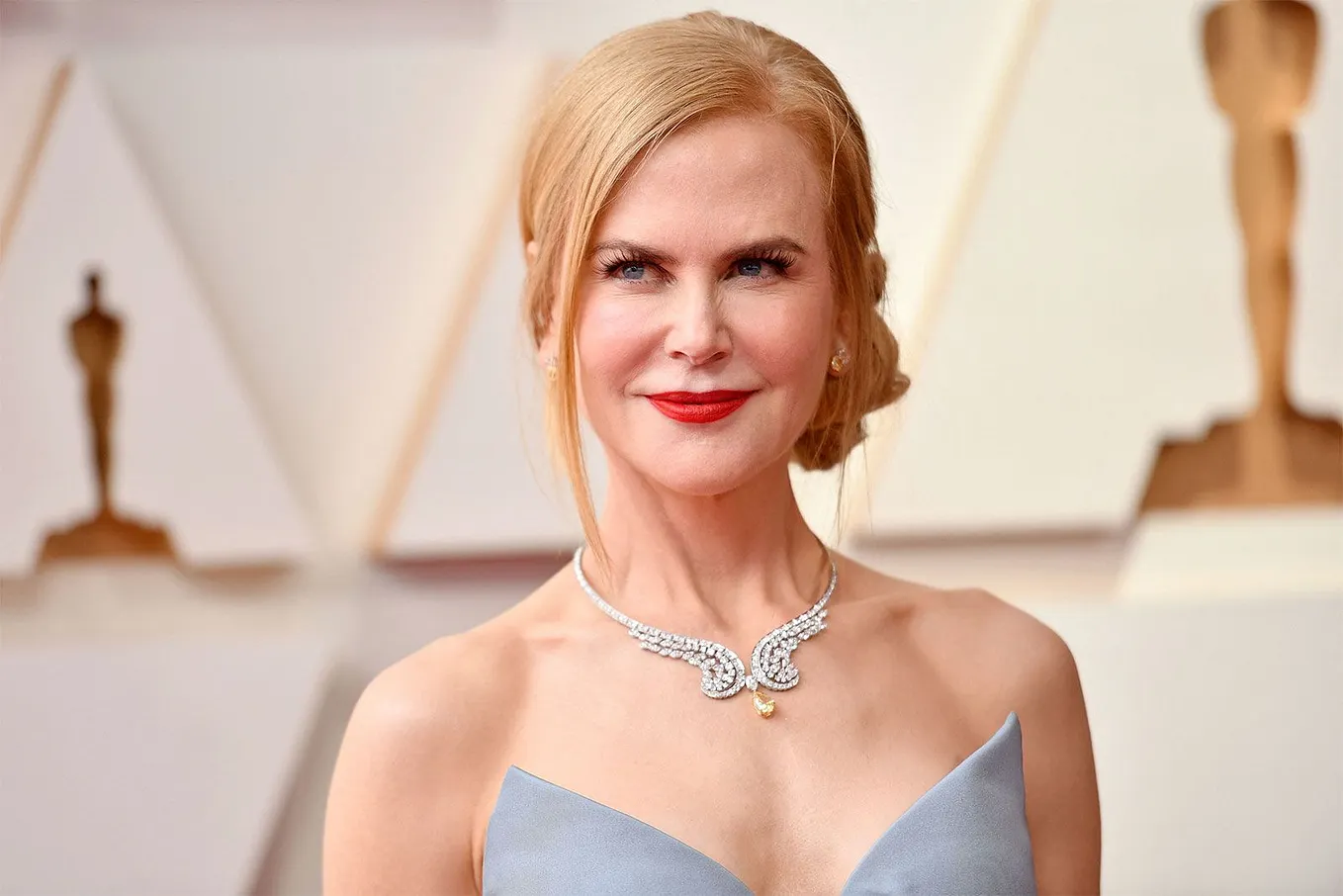
🩰 Grace in Every Frame: Why Phoebe Dynevor Continues to Shine
Happy Birthday to a Modern Muse


There are actors who command attention through intensity, and then there are those who draw you in through something quieter — something that lingers. Phoebe Dynevor belongs firmly to the latter. Her presence on screen is not loud, but it is undeniable. It is built on nuance, restraint, and a kind of emotional clarity that feels both effortless and deeply intentional.

For many audiences, Dynevor became a household name through her role as Daphne Bridgerton in Bridgerton. In a series defined by opulence — grand ballrooms, intricate costumes, and heightened romantic drama — it would have been easy for performance to be overshadowed by spectacle. Yet Dynevor managed to anchor the story in something human. Her portrayal of Daphne was not just about romance, but about transformation: the slow, often uncertain process of understanding oneself within the expectations of society.
What made her performance particularly compelling was its control. Dynevor understood the power of stillness — the way a pause, a glance, or a subtle shift in expression could carry as much weight as dialogue. In a genre that often leans toward exaggeration, she chose precision. And in doing so, she made Daphne feel less like a character of fantasy and more like a person navigating real emotional stakes.
But to define Phoebe Dynevor solely through Bridgerton would be to overlook the broader trajectory of her career. What distinguishes Dynevor is not just the role that made her famous, but the choices she makes afterward. There is a clear intentionality in how she approaches her work — a desire to explore different tones, genres, and emotional registers without being confined to a single image.
Get Word Alchemy Studio’s stories in your inbox
Join Medium for free to get updates from this writer.
This sense of evolution is crucial. In an industry that often rewards repetition, Dynevor appears more interested in expansion. She does not reject the identity that Bridgerton gave her, but she does not remain within it either. Instead, she builds on it — layering new experiences, new characters, and new challenges in a way that suggests long-term vision rather than immediate gratification.

Off-screen, this same sense of composure continues. Dynevor’s public presence mirrors her on-screen energy: thoughtful, measured, and quietly confident. She does not rely on constant visibility to remain relevant. Instead, she allows her work to speak, stepping forward when there is something to say, and stepping back when there is not.
This restraint, in many ways, is what makes her stand out.
In a cultural moment driven by speed — by the need to produce, to post, to remain constantly seen — Dynevor represents an alternative rhythm. One where growth is not rushed, where identity is not fixed, and where success is not defined solely by volume. She reminds us that there is power in pacing, in choosing when and how to be present.
“Grace in every frame” is not just a description of her aesthetic — it is a reflection of her approach. Grace, in this sense, is not about perfection. It is about awareness: of movement, of emotion, of the space a character occupies. It is about knowing when to hold back, when to reveal, and when to let silence speak.
As her career continues to unfold, what remains most compelling about Phoebe Dynevor is not just what she has already achieved, but the sense that she is still in the process of becoming. There is an openness to her trajectory — a willingness to change, to explore, to take risks that may not always align with expectation.
And that is perhaps why she continues to shine.
Not because she demands attention, but because she understands how to hold it — gently, deliberately, and always with intention.