How Can You Test an Egg Collection System Before Accepting Handover?
A practical way to turn a trial run into a useful operating record.
A handover test should show how the installed egg route behaves while handling eggs. Seeing motors start confirms movement, but does not establish sustained throughput, smooth transfers or the amount of damage introduced during handling.
The commissioning section of LIVI Machinery’s large-layer-farm collection guide identifies these checks. A farm owner can organize them around one question: what evidence will demonstrate that this particular installation works under the agreed operating conditions?

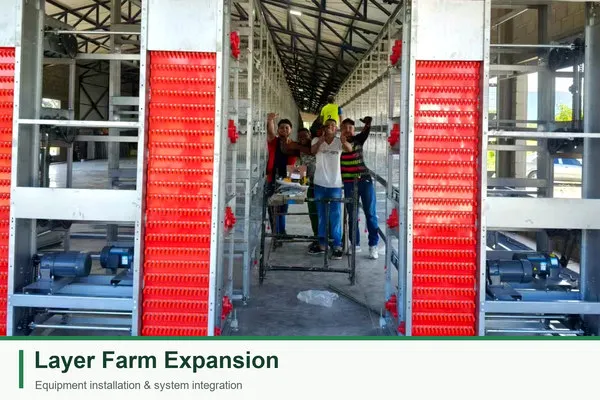
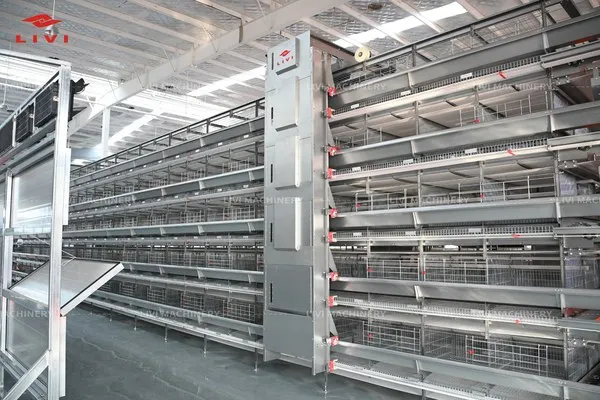
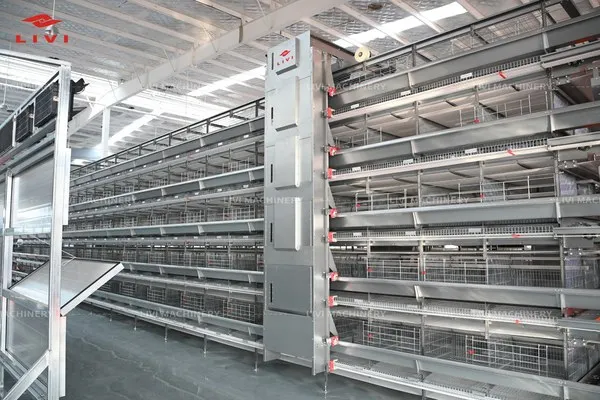
Equipment reference photo: LIVI Machinery, livicages.com.
What should be agreed before the trial?
Define which equipment is being assessed and where the observation begins and ends. Note the houses and rows supplying eggs, the operating sequence and the receiving equipment. The trial should represent the intended arrangement rather than an isolated empty conveyor.
Get Yangyang’s stories in your inbox
Join Medium for free to get updates from this writer.
Agree with the supplier on the test method and acceptance criteria before the assessment. Record the actual conditions so both parties can understand what the results demonstrate and what still needs checking.
Where should observers watch the egg flow?
Follow the route through elevators, changes of direction and discharge points. Look for accumulation, collisions, interruptions and belts moving out of alignment. Record where each issue appears and what was happening upstream at the time.
For a project using H-type layer equipment, identify the cage rows and tiers served by each collection connection. This helps relate a transfer problem to the arrangement shown in the drawings.
How should throughput and damage be recorded?
Count delivered eggs over a stated interval and note stoppages during that interval. Keep the elapsed duration alongside the count. A report of eggs per hour is difficult to interpret when its observation period and interruptions are missing.
Inspect incoming eggs as well as eggs leaving the route, so cracks already present are distinguished from new damage. For illustration, 24 newly damaged eggs among 8,000 handled would represent 0.3%. That arithmetic does not establish an acceptable threshold; the project needs agreed criteria and a consistent inspection method.
What should the team learn before sign-off?
Have the supplier demonstrate the agreed stopping, restarting and protective functions using its safe commissioning procedure. Staff should understand the operating sequence, how to report a fault and where routine inspection is required.
Retain the results, observations and any corrective work in one handover record. Where an adjustment is made, document the relevant follow-up check. This gives the farm a clearer starting point for operation and later discussions about performance.
Adapted from LIVI Machinery material with AI assistance. Numerical examples are illustrative.