Noto Antica: The Forgotten City Swallowed by Time
Once the heart of Sicily, Noto Antica now sleeps beneath the hills — a forgotten city where ruin became beauty and silence became memory.


Before the golden domes of Baroque Noto rose by the sea, there was another city — proud, ancient, and alive.
Then the earth shook, and silence claimed its crown.
Where Silence Took the City
Hidden deep among the green hills of eastern Sicily, veiled by ivy and the murmur of cicadas, lies a ghost made of stone — Noto Antica.
Once it shimmered beneath the Sicilian sun — a proud city of merchants, scholars, and dreamers.
Its bells rang across the valley, its markets glowed with life.
Now it sleeps — half-devoured by nature, half-preserved by time — a place where every stone whispers of what once was.
Here, beauty survives through ruin.
And ruin becomes its own kind of grace.
The Wrath of the Earth
In the winter of 1693, the earth itself turned against the island.
The first shock struck like a warning — a tremor that cracked walls and hearts alike.
Then came the second — an earthquake so fierce it split Sicily’s memory in two.
With a magnitude of 8.1, it destroyed entire towns, erased churches, silenced bells.
When the trembling finally ceased, Noto Antica lay in ashes — its streets buried, its spirit suspended in dust.
Get Olga Angelucci’s stories in your inbox
Join Medium for free to get updates from this writer.
The survivors faced an impossible choice:
Rebuild upon the same wounded ground, or begin again elsewhere.
They chose the sea.
And from their loss rose Noto, the radiant city of Baroque light — a phoenix born of devastation.
The old city remained behind, lost among the hills.
Forgotten — but never entirely gone.
The Ghost City Lost in Time
Today, Noto Antica feels like a dream half-remembered — a medieval Pompeii reclaimed by silence.
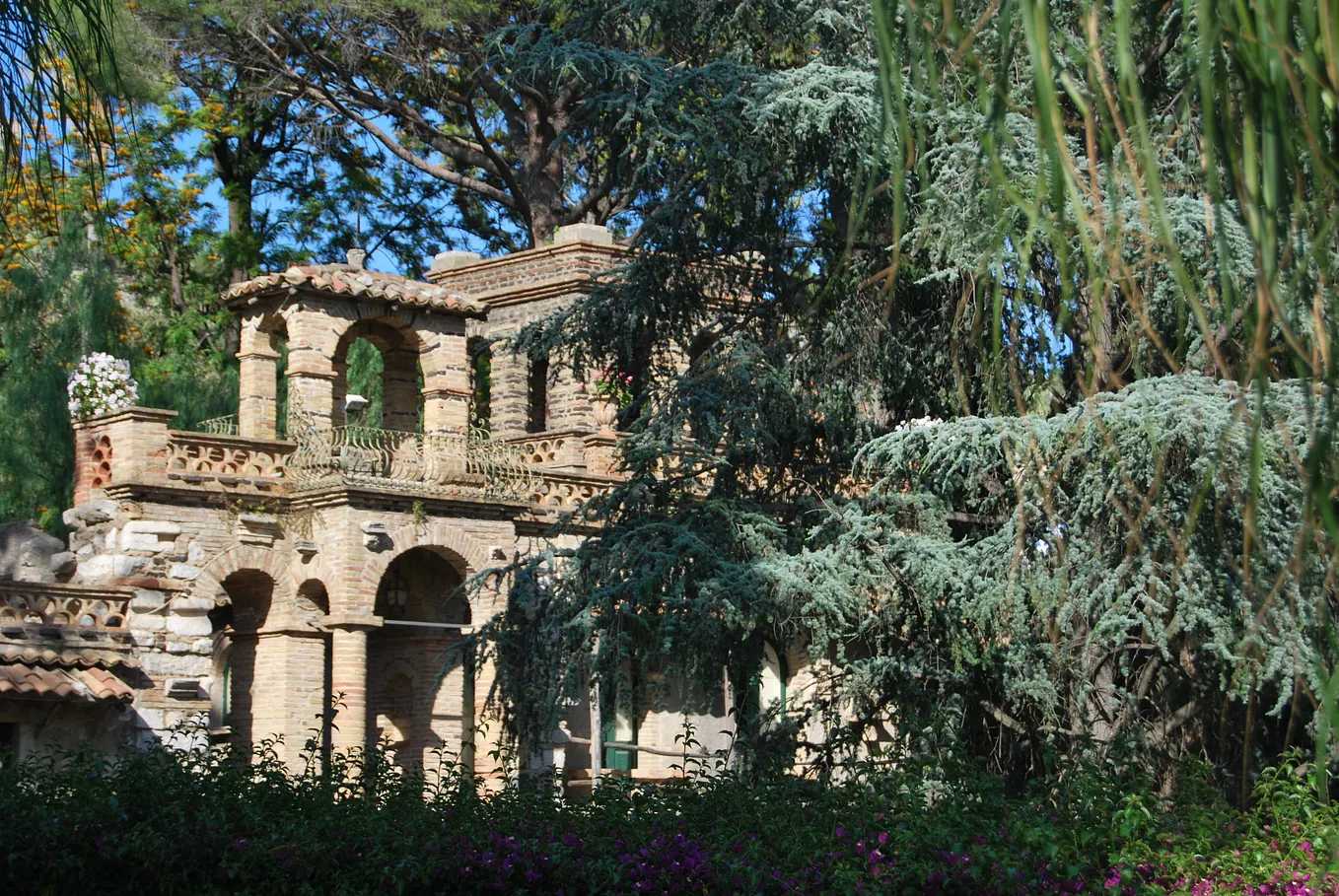
Stone archways open to nothing.
Ivy curls around broken towers.
Moss covers the foundations of homes once filled with laughter and prayer.
Walk its paths, and the air hums with echoes — the faint rhythm of footsteps, the distant toll of a vanished bell.
From the cliffs, the view unfolds across the Valle del Carosello, where the Asinaro River winds through ruins of old Arab mills — traces of another age layered beneath the earth.
Among the remains, you can still trace the outlines of churches, the town hall, the Palazzo Landolina di Belludia — each a quiet monument to what endurance looks like after beauty falls.
The City That Waits Beneath the Vines
Fragments of Noto Antica’s soul survive — in museum halls, in sketches, in the names of families who once lived among its stones.
But the place itself remains almost untouched, sleeping under vines and the long patience of nature.
It is as if time paused here — out of mercy.
Perhaps one day, Noto Antica will rise again — not rebuilt, but remembered.
A living archaeological garden where history, myth, and silence meet beneath the same Sicilian sun.
For now, it endures quietly — a dialogue between ruin and rebirth, between the earth and those who listen.
Step into its stillness, and you will feel it —
the hush that follows catastrophe,
the fragile beauty that refuses to die,
the echo of humanity beneath the stone.