Bye Bye Bao Bao!

Bao Bao, the Smithsonian National Zoo’s beloved giant panda, moved to China last month. The Zoo said farewell to Bao Bao with a series of goodbye events over the long weekend, including a dumpling party, multiple heart-shaped cake feedings, and a question and answer session with the Panda’s keepers. Bao Bao’s departure to China is part of a cooperative breeding program between the National Zoo and the China Wildlife Conversation Association (CWCA). The program mandates that all giant pandas born at the National Zoo must be sent to live in China before the age of four.
Bao Bao was born in 2013, to parents Mei Xiang and Tian Tian. She was the first giant panda born at the National Zoo since 2005. Her name, which translates as “precious” or “treasure,” was decided by an online vote. Visitors flocked to the National Zoo to catch a glimpse when she made her first public appearance in January of 2014, and since then thousands of panda fans have followed Bao Bao on social media.
Get East-West Center in Washington, DC’s stories in your inbox
Join Medium for free to get updates from this writer.
Panda rearing has become a rare and unusual field of partnership between Washington, DC and China. The National Zoo first received a state gift of two pandas from China in 1972 following President Richard Nixon’s visit. In the 1990s, American and Chinese researchers began working together to examine the diets and reproductive habits of the pandas and eventually succeeded with artificial insemination in Chinese breeding centers after a decade of research.
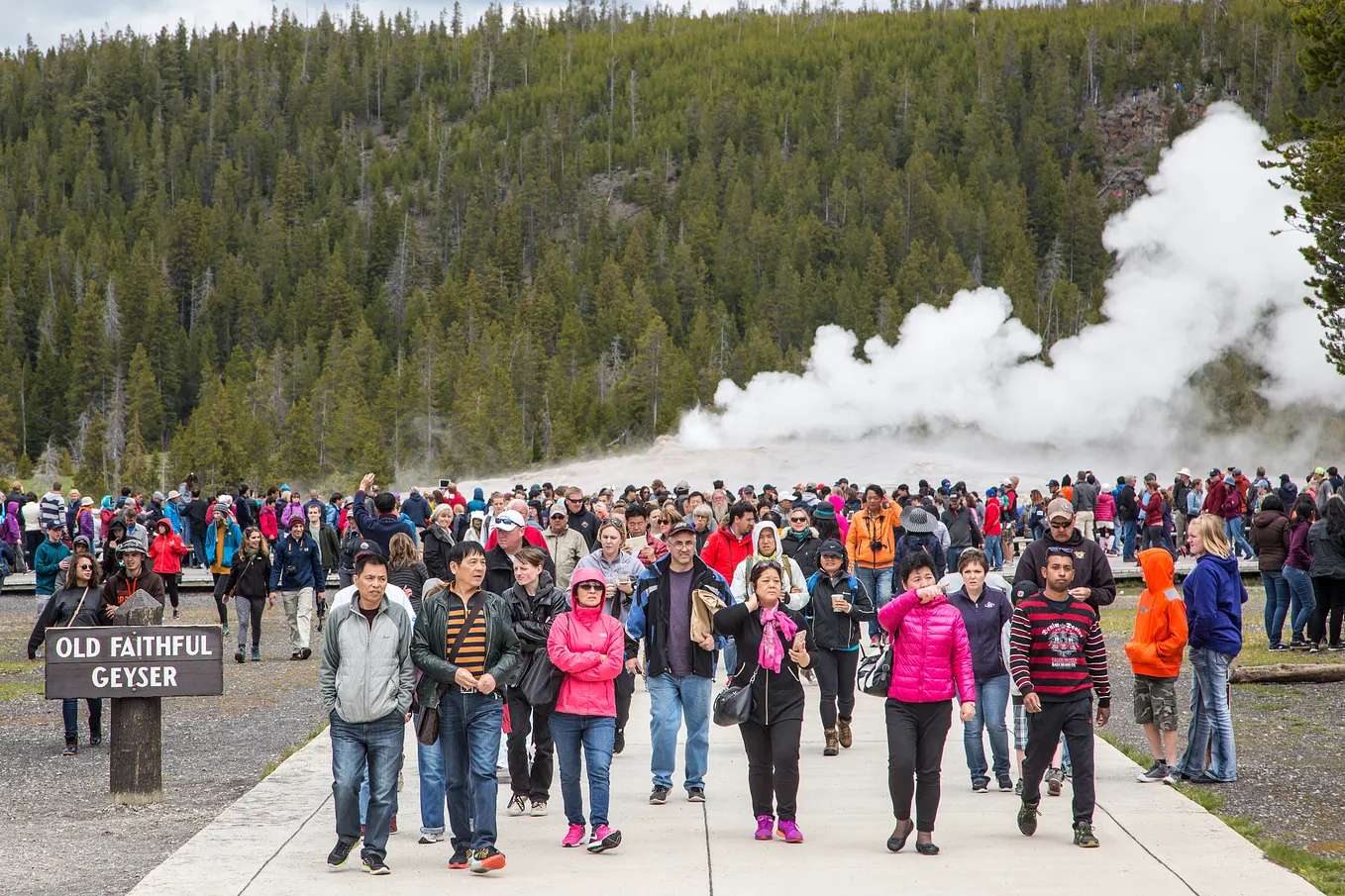
The Washington DC-China partnership goes far beyond panda rearing. In 2016, Washington hosted its third Annual Global Marketplace conference with the theme: “Welcome China,” where attendees discussed how to appeal to and enhance services for Chinese tourists. In 2015, Washington welcomed a total of 21.3 million visitors with China ranking as the top country of origin with over 300,000. This was a 635% growth in Chinese visitors from ten years earlier. Additionally, the District has sister city relationships with Beijing and Chongqing in China.
Xiaoyi Wang is a research intern at the East-West Center in Washington, D.C. and a graduate student at Georgetown University.
This article was originally published on March 13, 2017 on AsiaMattersforAmerica.org