Member-only story
An Interview with Actor George Takei About His Graphic Memoir They Called Us Enemy


George Takei is wearing pastel pink socks. It’s a remarkably happy outfit for an interview about a horrible topic: the childhood he spent in World War II Japanese-American interment camps. It was in these camps that Takei played games with his brother Henry, got picked on by older children, and realized he wanted to be an actor when he grew up — the US government showing films to those they imprisoned, five year-old George watching beside his father. Now 82, he says “I’m the last generation that experienced and remembers the internment; however, my memories are sweet memories of [being] an adventurous child.”
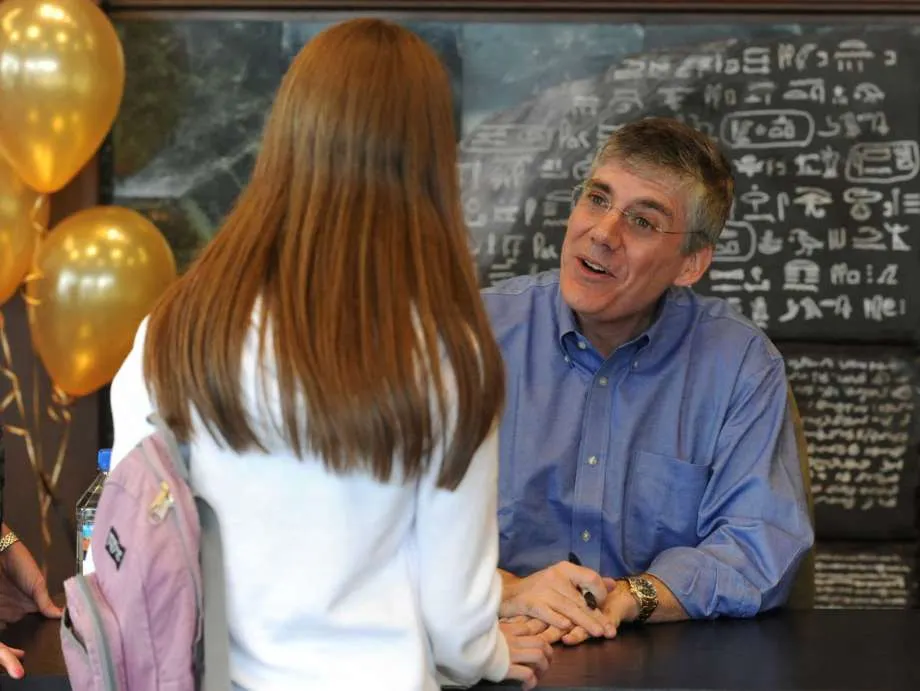
Perhaps this is how Takei can talk about the time so calmly today, sitting at a table with his husband Brad, publicist Leigh Walton, and Justin Eisinger, who cowrote They Called Us Enemy, Takei’s memoir of the time. His father’s generation would not discuss it: “They didn’t want to inflict their pain” on those who’d hear the story, he says, or relive “their pain by telling their children.” As a result, a entire segment of American history is missing.
After the bombing of Pearl Harbor, the surprise attack that killed 2,403 American servicemen and brought the United States into the war, then President Franklin D Roosevelt established internment camps for all of apparent…