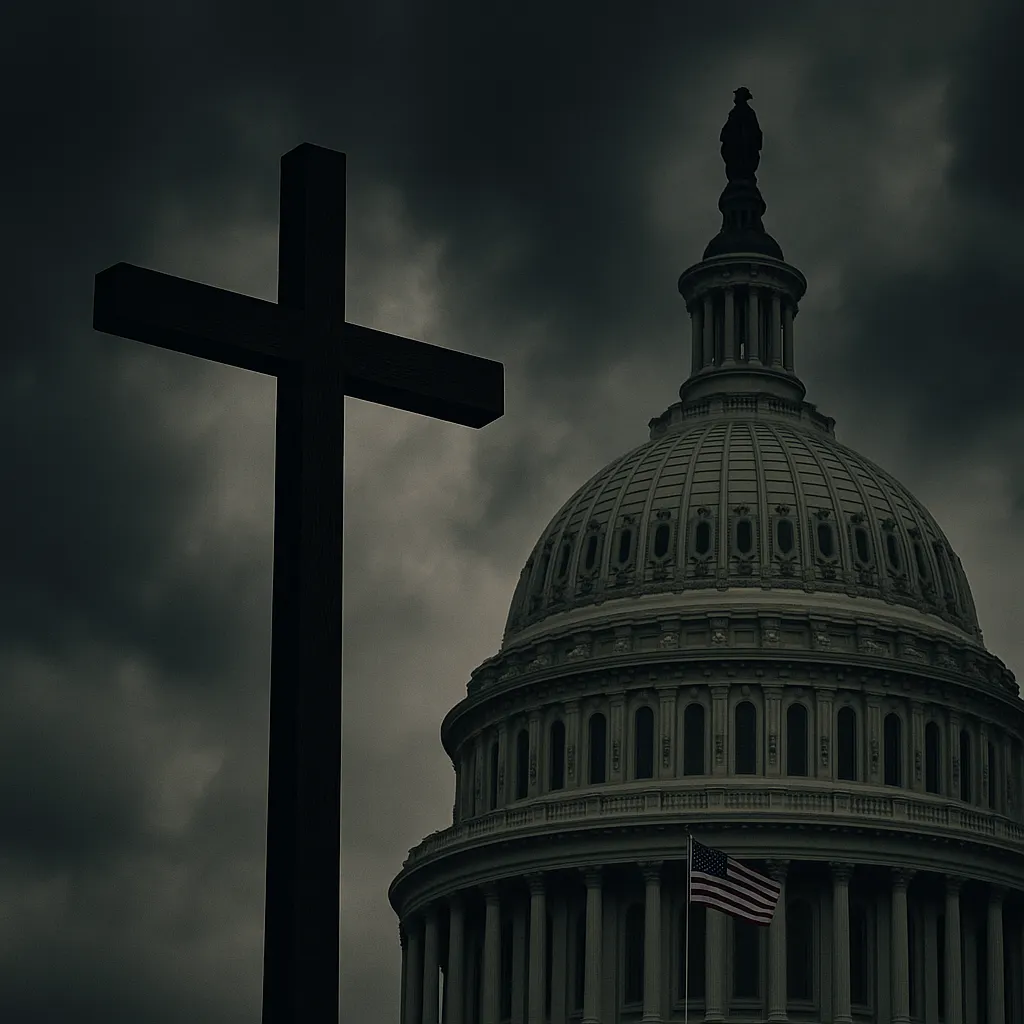
The People of the Constitution
When Epstein Replied to the Really Big Question
Pleading the 5th, 6th and 14th amendments


When he was asked in a deposition a long time ago (2010) if he ever socialized with Donald Trump in the presence of females under the age of 18, Jeffrey Epstein politely invoked the Fifth, Sixth and Fourteenth amendments of the U.S. Constitution when he declined to answer the question.
That Epstein video clip has been making its way around the media recently, including several of the late-night TV shows. John Oliver on his show a week or two ago jokingly wondered why he didn’t invoke the 4th, 12th and 22nd amendments, too!
Now, Oliver may have just picked his numbers out of a hat, but Epstein had valid reasons for coming up with his specific amendments.
The Fifth Amendment protects individuals from incriminating themselves when giving testimony. Remember when home-run hitter Mark McGuire pleaded the Fifth at the baseball steroid investigation? Or when Donald J Trump spent hours invoking the Fifth during a deposition involving possible Trump Organization fraudulent business practices?
When exercising your constitutional rights, invoking the Fifth Amendment is usually enough to stay out of trouble. But Epstein felt it was better for him also to invoke the 6th amendment, which allows trials, legal counsel and the right to question witnesses.
And, just to cover all bases possible, why not add the 14th Amendment, too? This amendment covers all aspects of due process and is popular in talk circles nowadays because of a clause that states that you are a citizen of the United States if you were born here. Epstein, by the way, was born in Brooklyn, New York, in 1953 and was always an American citizen.
Our founding fathers met in Philadelphia’s Independence Hall during the summer of 1787 to replace the Articles of Confederation, the law of the land since the Revolutionary War six years earlier.
The convention delegates that summer came up with a document containing seven articles that explained the roles of the three branches of the federal government and the rules for forming each of them. The Constitution was ratified in 1788 and became effective when the First Congress met a year later.
The first ten amendments of the Constitution, commonly called The Bill of Rights, became effective in 1791. Since then, a total of 17 additional amendments have been added.
Trump has been busy during the first six months of his second term issuing a plethora of Executive Orders, most of which seem to be aimed at dismantling the government envisioned by our founding fathers.
Get Jerry Dwyer’s stories in your inbox
Join Medium for free to get updates from this writer.
And organizations such as the ACLU have been just as busy filing lawsuits claiming Trump’s actions are unconstitutional, citing nearly all seven articles at some time or another and most of the 27 amendments.
Anybody still wondering about John Oliver mentioning the 4th, 12th and 22nd amendments? OK, the fourth amendment asserts the rights of the people “against unreasonable searches and seizures.” In contrast, the twelfth amendment clarifies the regulations for electing the president and vice-president (thus superseding portions of Article II, section1 of the original Constitution). The 22nd Amendment prevents anyone, even if his name is Donald J. Trump, from being elected President of the United States more than twice.
Come to think of it, Trump has so far stayed away from two of those 27 amendments. The 18th Amendment was ratified in 1919, ushering in the era of Prohibition. And the 21st amendment, ratified in 1933, repealed the 18th. Hallelujah!
We probably need to worry about the other 25 amendments, though.
Here are Michael John Scott’s guidelines for Democracy Watch:
Breaking News: Harry Hogg, one of the best writers on Medium, has recently joined Democracy Watch. Here is his latest story:
My Tag List
Let me know in a comment if you would like to be added to or deleted from this list: Harry Hogg, Michael Rhodes, Randy Pulley, Bruce Coulter, Adrienne Beaumont, Julia A. Keirns, Delaney Patterson, Karen Schwartz, Lynn L. Alexander, Judy Derby, Kelly Corinne Elliott, Paula Shablo, Michele Maize, Patricia Timmermans, Maria Rattray, Jonny Masters, Stephen Dalton, John Hansen PAL, Miriam Connolly, Ludiane de Brocéliande, Nancy S Rust, Nancy Oglesby, CJ Coop, Denée King, Izzibella Beau, Eko B, Mike Range, Diane Foster, Glenn M Stewart, Shain E. Thomas, Anket Sharma, Karen Grant, Amy Wolf and Mary Acton.