It Never Leaves
Living with aging parents in a country where responsibility quietly becomes daily life


My father tried to stand up from the chair one morning and, for a second or two, his body just didn’t move.
It wasn’t dramatic. If someone else had been there, maybe they wouldn’t even have noticed it. He eventually stood up, gave a small smile, and said, “I’m fine,” in the same tone people use when they don’t want a conversation to continue.
But something about that pause stayed with me the whole day.
It was around seven in the morning in Osaka. The heater was still on because the apartment felt colder than outside lately, even in spring. On TV, the weather forecast was talking about pollen and temperatures in Kansai as if the world was completely normal. I remember holding coffee that had already gone a little cold because I forgot to drink it.
People talk about Japan’s aging society constantly now. You hear it on television, see it online, read it in reports full of numbers. Low birthrate. Labor shortage. Population decline.
After a while the words start sounding strangely clean, almost organized.
Daily life doesn’t feel organized at all.
In Osaka, mornings still run smoothly enough that you can almost forget any of this is happening. Trains arrive exactly when they should. Convenience stores stay bright all night. Office workers line up for coffee like every other weekday.
Then you leave the main streets a little and the atmosphere changes in ways that are harder to describe properly.
A cashier speaking unusually slowly to an elderly customer while the people behind her quietly look away instead of getting irritated.
Things like that.
Maybe I notice them more because of my parents now. I don’t know.
Sometimes I think once aging enters your own home, you start seeing it everywhere else too.
At night my mother sometimes wakes up and calls my name.
Not loudly. More like she suddenly isn’t sure where she is for a moment.
I go into her room, tell her everything’s okay, wait until she falls asleep again. Sometimes she asks the same question two or three times in a row. Sometimes she apologizes for things that don’t really need apologizing for.
Ten or fifteen minutes later, it starts again.
After enough nights, you stop thinking of it as separate incidents. There are evenings when I sit there half-awake thinking things I probably wouldn’t say out loud to anybody.
Like wondering how long a person can keep dividing their attention before they become strange to themselves. Or wondering if I’m becoming less patient than I used to be.
I don’t always like the answers.
Japan does have support systems. Visiting nurses, long-term care insurance, day-care services for the elderly. Honestly, without those, I’m not sure what happens to families like ours.
Get ma-ki’s stories in your inbox
Join Medium for free to get updates from this writer.
Still, there’s a limit to what systems can do once the front door closes again in the evening.
The caregiver leaves. The apartment becomes quiet. Then the small responsibilities start returning one by one. Listening for movement at night. Checking whether medication was actually taken.
Trying to notice tiny physical changes that maybe aren’t important, except sometimes they are.
None of this feels important enough individually to complain about. Maybe that’s why people end up carrying too much before realizing it.
And people here are already tired. Not only physically. Just… tired in general.
I’ve noticed that many people in Japan hesitate before asking for help, even when things are obviously difficult. I do it too.
Part of it is probably cultural. Part of it is embarrassment. Part of it is not wanting to become another problem somebody else has to manage.
They sleep less. Go out less. Carry more than they should. Keep telling themselves it’s temporary even when they know it probably isn’t. I catch myself doing exactly the same thing.
There are still good moments, though. Real ones.
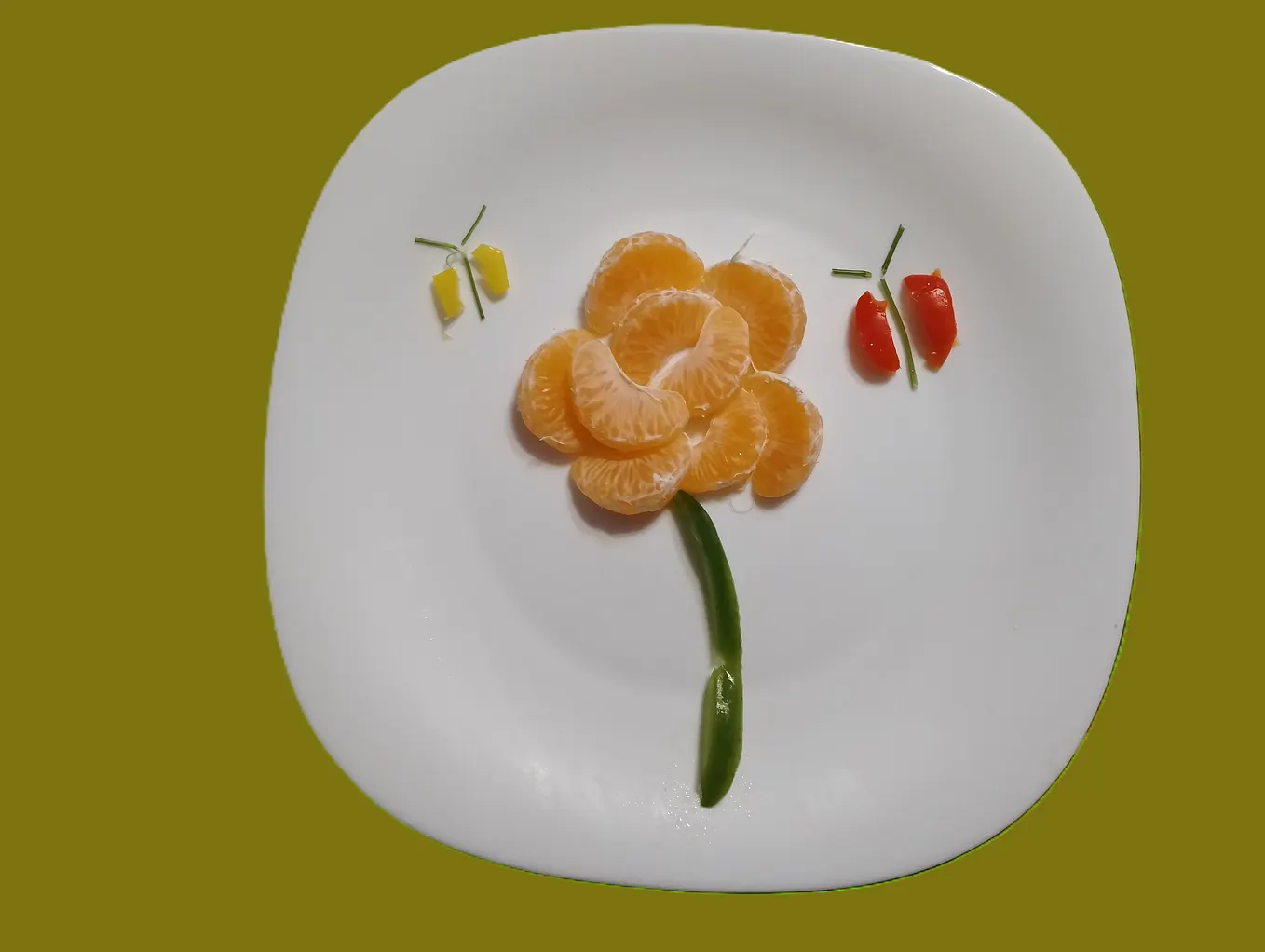
My father carefully peeling an orange at the kitchen table with complete concentration, like it’s suddenly delicate work.
My mother unexpectedly remembering a story from thirty years ago and laughing before forgetting why she started laughing in the first place.
Sometimes those moments feel very warm. Other times they make me feel sad immediately afterward, which is harder to explain.
Japan’s population keeps shrinking, and everyone already knows the statistics. The birthrate is among the lowest in the world. People are living longer than ever. Every year there are more elderly people and fewer people available to support them.
But inside ordinary homes, it doesn’t really feel like “demographic change.” It feels smaller and more personal than that.
It feels like there’s never enough time exactly where time is needed.
Someone misses work because a parent fell. Someone answers emails at midnight after helping with hospital visits all evening. Someone stops seeing friends for a while and barely notices they disappeared from their own life little by little.
A lot of this stays invisible until somebody burns out, or gets sick themselves. Even then, people often don’t talk much about it.
Yesterday I held my mother’s hand a little longer than usual before she fell asleep.
Outside, things continued exactly as they always do in Osaka. The sound of trains. Convenience store doors opening and closing downstairs. Somebody talking too loudly outside the station.
I sat there for a while after my mother closed her eyes.
Mostly because I suddenly felt tired. And because lately I’ve started realizing that this kind of responsibility doesn’t really end cleanly.
It just slowly becomes part of your ordinary life before you fully notice it happened.

If you enjoyed this article, please leave a comment and follow me.
You can also connect with me on X (@maki4301316667).
Thank you for reading!