‘Twin Peaks: The Return’: David Lynch’s career-defining symphony of strangeness
‘The Return’ was peak ‘Peaks’, peak Lynch and peak Peak TV.

I’ve been voluntarily sober (not that I ever drank much anyway) since May 21, which happens to be the day Twin Peaks: The Return premiered on Showtime. What need have I for alcohol, when I have pure injectable David Lynch at my disposal every Monday morning? The experience of watching a Lynch film is, by all evidence, a highly comparable experience to substance abuse (of both a socially acceptable nature and otherwise), and this has never been clearer than for the last 18 weeks, as he wowed and stunned us all with his latest masterpiece: a slow-burn study on the nature of mystery, the balance of good and evil in the world, and how to fool a premium cable network into paying for 18 hours of television when you only needed 2.
About halfway through last night’s season finale, it dawned upon me that — from a traditional storytelling perspective — pretty much everything prior to Part 17 of this series was irrelevant to the conclusion, and a complete waste of the audience’s time. I repeat: From a traditional storytelling perspective. Because the prior 16 hours were anything but wasteful: filled with singular moments of joy and anguish, some of the most artful visuals ever broadcast and a structure which may very well rewrite the rules of the medium, this was not only a fantastic television show, it was an essential one.
Get Lucien WD’s stories in your inbox
Join Medium for free to get updates from this writer.
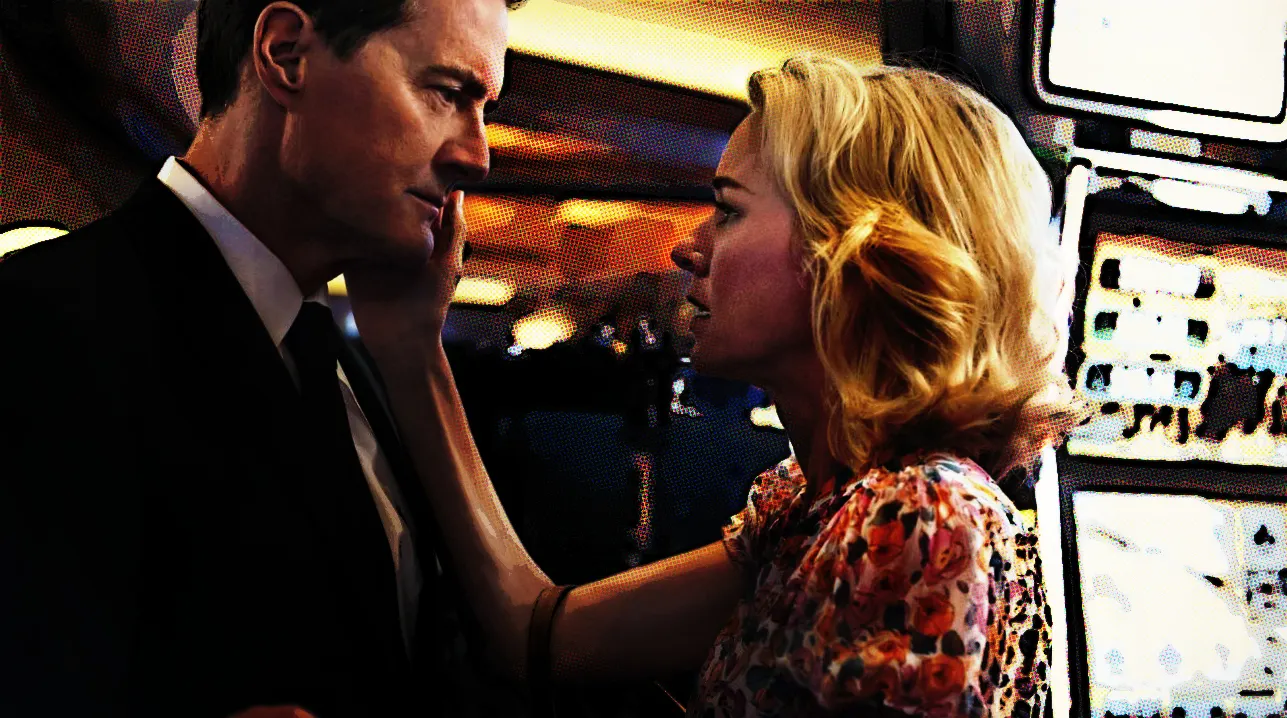
As, admittedly, someone who isn’t a fan of the OG Peaks, I approached this series with great trepidation (particularly when realising the length), and after the tedious 2-hour premiere, I was pretty much out. But I stuck around just long enough for Lynch’s magic to pull me back in, particularly with the introduction of Dougie Jones, the childishly-innocent Vegas insurance worker whose life Agent Dale Cooper (Kyle Maclachlan) occupied for most of this series. Dougie is a brilliant creation, a tragic hero who provides the humanity and comic relief the show needs to maintain the intensity of Lynch’s style and thematic weight without alienating the audience. Dougie’s adventures with his wife and son (Naomi Watts and Pierce Gagnon) and boss (Don Murray) became the highlight of my TV-watching week, a sort of accidental sitcom of tremendous sadness. By the final scene of the final episode, none of it mattered, but anyone who thinks a TV show is defined by its conclusion has no place watching a show like Twin Peaks to begin with.


While Dougie was stumbling around Vegas, eventually encountering the Mitchum Brothers (Jim Belushi and Robert Knepper) and getting involved in a Se7en-esque “What’s In The Box?” scenario, there were equally involving storylines continuing in other locations: Gordon and Albert (Lynch himself, an actual comic genius, and the great, late Miguel Ferrer) trying to bring Cooper back, Evil Cooper (also Maclachlan) being nasty, various mishaps at Twin Peaks Sheriff’s Department, some strange happenings at a trailer park, and a bear that won’t stop saying “Hello Johnny, how are you today?”. We got scenes that were incredibly, weirdly funny (Lucy and Andy picking a chair) and scenes that were absolutely heartbreaking: Harry Dean Stanton approaching a dying child on the road; a clash of the old and the young, and one of the most transcendental, awe-inspiring moments I’ve ever seen on an American television show. It was the involvement of both veteran performers like Stanton, and actors who have died since the show ended — Ferrer, Catherine Coulson, David Bowie and others — that gave the show a timeless and ethereal atmosphere (as did Angelo Badalamenti’s extraordinary score) that was ultimately essential to the impact of its ending.
Lynch doesn’t strike me as a man who watches a lot of TV, and his refusal to conform to expectations of even the best ‘prestige dramas’ was one of The Return’s most appealing qualities: every episode is around the same length, yes, but most also end with an extended musical performance at the ‘Bang Bang Bar’ by artists like Eddie Vedder, Nine Inch Nails and Chromatics. I think this should become the norm for all TV drama. Likewise, with Part 8 he abandoned any narrative whatsoever and offered a magnificent hour-long experimental film on the creation of the atomic bomb and the power of ‘dark energy’. Just weeks later, he made his own little Tarantino movie with Part 16’s thrilling shootout.


Part 16 and Part 17 were very successful payoff episodes: Dale Cooper returned, gained some cheers with “I am the FBI!”, reunited with Diane and Gordon, witnessed the destruction of Evil Cooper and dropped into the Red Room. Then, Cooper rescues Laura Palmer from the events of Fire Walk With Me 25 years earlier, and the show for a few minutes returns to the Twin Peaks its fans know and loved. After 16 and a half hours, Twin Peaks was Twin Peaks. And Lynch was more than happy to make everyone wait that long. Part 18 was something very different: in many ways, a quite traditional series finale. Cooper goes to find a woman who may or may not be an older Laura Palmer, and brings her back to Twin Peaks to her mother’s house. It feels a bit like the Breaking Bad finale; we expect a reunion and some poignant, Copper The Bad-Ass Walks Into The Sunset resolution. Instead we get Cooper shouting “Wait… WHAT YEAR IS IT?” and a final scream from Laura. Possibly the most perfectly imperfect, gleefully unsatisfying way Lynch could have ended his show. And it’s unfair to merely call this a ‘show’; this doesn’t deserve comparisons to Game of Thrones or Ray Donovan (which, hilariously, airs directly afterwards on the network). It isn’t really possible to compare it to great TV like The Leftovers or Bojack Horseman either, because it’s something completely unique and playing by its own rules. This is art, this is cinema, this is Lynch. And I love it.