The Geography of the Green Line: Finding Our Way in Singapore

The afternoon rain in Singapore does not fall; it arrives. We watch it from the window of the East West Line as the sky turns a bruised, sudden purple over the concrete blocks of Clementi. Within seconds, a wall of water blurs the world outside. Inside, the train carriage remains perfectly air-conditioned, humming with quiet conversations and the soft glow of smartphone screens.
Stepping out at the next station, the air changes instantly. It smells of damp earth, hot asphalt, and the sharp scent of ozone. The humidity wraps around us like a heavy blanket as we tap our EZ-Link cards at the fare gate. The familiar, high-pitched beep signals our exit. In these small, sensory collisions, we realize that moving to a new country is rarely about the big milestones.
Instead, we quickly learn that adaptation is not a destination we arrive at, but a route we slowly memorize. We came here looking for a new chapter, but we are slowly learning that living as an expat means learning to exist in the spaces between where we started and where this city is taking us. The Mass Rapid Transit becomes our greatest teacher, offering a perfect metaphor for navigating our new lives.
The Weight of the Rush Hour
Our first few months here were defined by the sheer overwhelming pace of it all. We viewed the sprawling MRT map as an obstacle to overcome. The intricate web of the Circle Line and the Downtown Line felt like a puzzle we could not solve. We boarded trains during the 8:00 AM rush hour, squeezed shoulder-to-shoulder with strangers, feeling entirely out of place.
But soon, we noticed how the city breathes with the transit system. We stopped fighting the crowds and started moving with them. We learned the unspoken rules of the escalator: always stand on the left, walk on the right. We figured out exactly which train car aligns with the exit at our home station. We realized that adjusting to a new culture requires us to change our physical rhythm first. We cannot force our old habits onto a new map. We have to let the city set the pace.
The Choreography of the Interchange
At 6:00 PM on a Tuesday, Dhoby Ghaut interchange is a masterclass in organized chaos. The air hums with the sound of thousands of footsteps echoing against the tiled floors. People rush between the North South, North East, and Circle Lines, following color-coded arrows painted on the ground.
Get Expat life SG’s stories in your inbox
Join Medium for free to get updates from this writer.
At first, these massive transfer hubs felt completely isolating. We stood awkwardly at the edges of the platform, unsure of which way to walk. Then, we simply started following the flow. We fell into step with the people around us.
Community rarely announces itself with a grand gesture; sometimes it is simply the shared silence of a midnight train. We sit beside tired office workers, students with heavy backpacks, and aunties carrying plastic bags of groceries. We learned that to belong in Singapore, we simply needed to share the ride.
The Illusion of Permanence
To be an expat is to live perpetually in transit, waiting for the moment a foreign city finally feels like home. We make friends quickly, bonding over the shared vertigo of living far from our native soil. We memorize the fastest routes to their apartments on the Thomson-East Coast Line. We share weekend trips, celebrate holidays together, and become substitute families.
Then, the packing boxes appear. Contracts end, visas expire, and the people who became our anchors inevitably pack up their lives and leave. We ride the train to Changi Airport for farewell dinners, watching the familiar green stations blur past the window.
We build roots in the soil of temporary things, knowing the train will eventually pull away. Yet, we continue to invest in these fragile connections. The grief of watching people leave is the tax we pay for the privilege of knowing them at all.
The Things We Carry
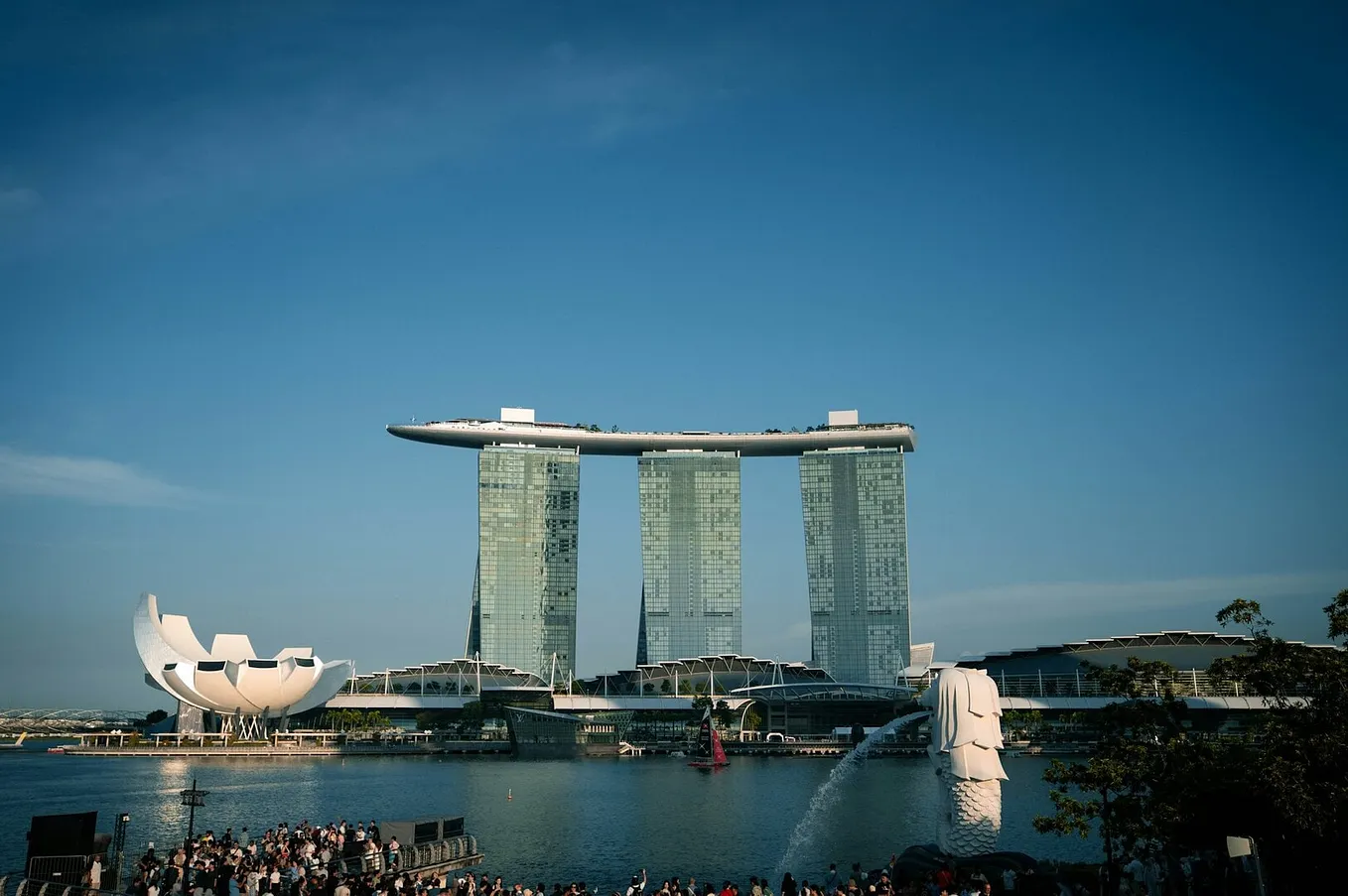
Eventually, the novelty fades into routine. We no longer need to check Google Maps to find our way around Marina Bay. We tap our phones at the fare gates without breaking our stride. We know the exact pitch of the door-closing chime.
We look around and realize that this strange, humid, beautiful transit network has quietly become ordinary to us. Belonging is found in the empty spaces we learn to fill, simply by showing up and riding the same lines day after day.
We do not know how long we will stay. We do not know what the next transfer holds. But as we ride home through the dark tunnels, gently swaying with the motion of the train, we know that this place has already left its mark on us. We carry the rhythm of this island in our steps now, and that is something the distance can never take away.