Huu Nguyen·Sep 1Beyond Pods: Understanding reserved:host and Cilium's Reserved IdentitiesMost Kubernetes network policy tutorials stop at pod-to-pod traffic. But your nodes have IPs too — and so does the kube-apiserver, the…
CloudOpsBlog.com·Jul 14CKA-25-Kubernetes NetworkPoliciesSecure Kubernetes traffic with NetworkPolicies: ingress, egress, selectors, and a practical default-deny approach.
TheVega.AI·May 20Kubernetes Network Policies Explained: Building Zero-Trust NetworkingOne of the biggest misconceptions in Kubernetes is this:
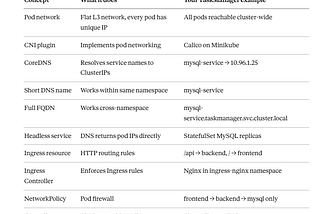
Laxman Pajjuri·May 14Kubernetes Networking Deep Dive: Pod Communication, DNS, Ingress, and NetworkPolicyEverything you need to know about how traffic flows inside and outside a Kubernetes cluster — with real YAML from a running TaskManager appA response icon1A response icon1
Ismail Mezzour·Apr 15Snowflake Security Isn’t About Who It’s About Where Access Comes FromIntroduction
Mathumathiv·Mar 21Service Mesh & Network Policies — Advanced Traffic Management“We need mTLS between all services.” “How do we do canary deployments?” “Can we trace requests across microservices?”
Pooja·Feb 22My First Attempt at Kubernetes Network PoliciesSo I’ve been learning Kubernetes for a while now, and one thing that kept confusing me was network security. Like, how do you actually…
InThe PickMe Engineering BlogbyDilan Dashintha·Feb 14Cilium Network Policies: L7 HTTP Filtering with eBPF on KubernetesTraditional Kubernetes Network Policies only support L3/L4 filtering (IP addresses and ports). Cilium takes network security to the next…A response icon2A response icon2
InTowards DevbyOtowo Samuel Odeh·Jan 7Building Production-Grade Kubernetes: A GitOps Journey from Zero to HeroHow I deployed microservices with ArgoCD, NetworkPolicies, and TLS all on my local machineA response icon2A response icon2
Tigera·Oct 24, 2025Kubernetes Is Powerful, But Not Secure (At Least by Default)Secure Kubernetes clusters with microsegmentation: practical strategies for admins and DevOps teams.