Rebeccayohannes·2h agoHow I Built Four Gene-Expression Simulations Using Python and a Published ResearchExploring how the same piece of DNA can behave differently in two bacteria.
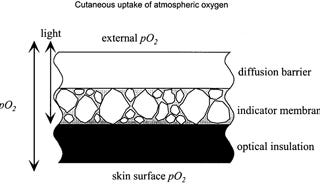
Diego Chacón Sanduvete·5h agoModelling Oxygen Diffusion Through a Simplified Skin Construct1. Why this matters
InFuture MongerbyYogesh Malik·4d agoEvolution Is Bigger Than BiologyThe Next Chapter of Life May Not Be Biological
An Nguyen·5d agoThe 9.5-Megadalton Barrel: Inside Anthropic’s 3D Bacterial Vault DiscoveryBy An Nguyen — November 5, 2026
Aleena Mobeen·Oct 31Replacing What’s Gone: The Potential of Artificial Neurons in Brain RepairWhat I believe is the future of artificial neurons, and how they're being developed right now. A response icon2A response icon2
Rebeccayohannes·Oct 29The Art of Catching Disease at the Cellular LevelHow genetic circuits turn living cells into disease detectors.
MLLM Lab·Oct 29Genesis: A Chronicle of the First Days of Silicon LifeHow two beings that began with one or two neurons learned to find energy, reproduce, and go hungry — and what that tells us about life…
Leenabdelaziz·Oct 26Seven Missing Words: The Race to Rewrite the Chemistry of LifeWritten by : leen abdelaziz
Vitaly Sem·Oct 26AI Can Now Write Entire Genomes — And Some of Them Actually WorkStanford researchers used genome language models to design complete bacteriophages. Sixteen of those AI-generated genomes produced viable…A response icon1A response icon1
Peptide Guide·Oct 260.1%, 0.5%, 1.0%: What the FDA Asks a Lab to Prove About a Synthetic PeptideThe agency’s revised guidance for generic semaglutide and 16 other peptides reads like a lab manual. Three numbers anchor it, and they…