Visit a National Wildlife Refuge
It is National Wildlife Refuge Week


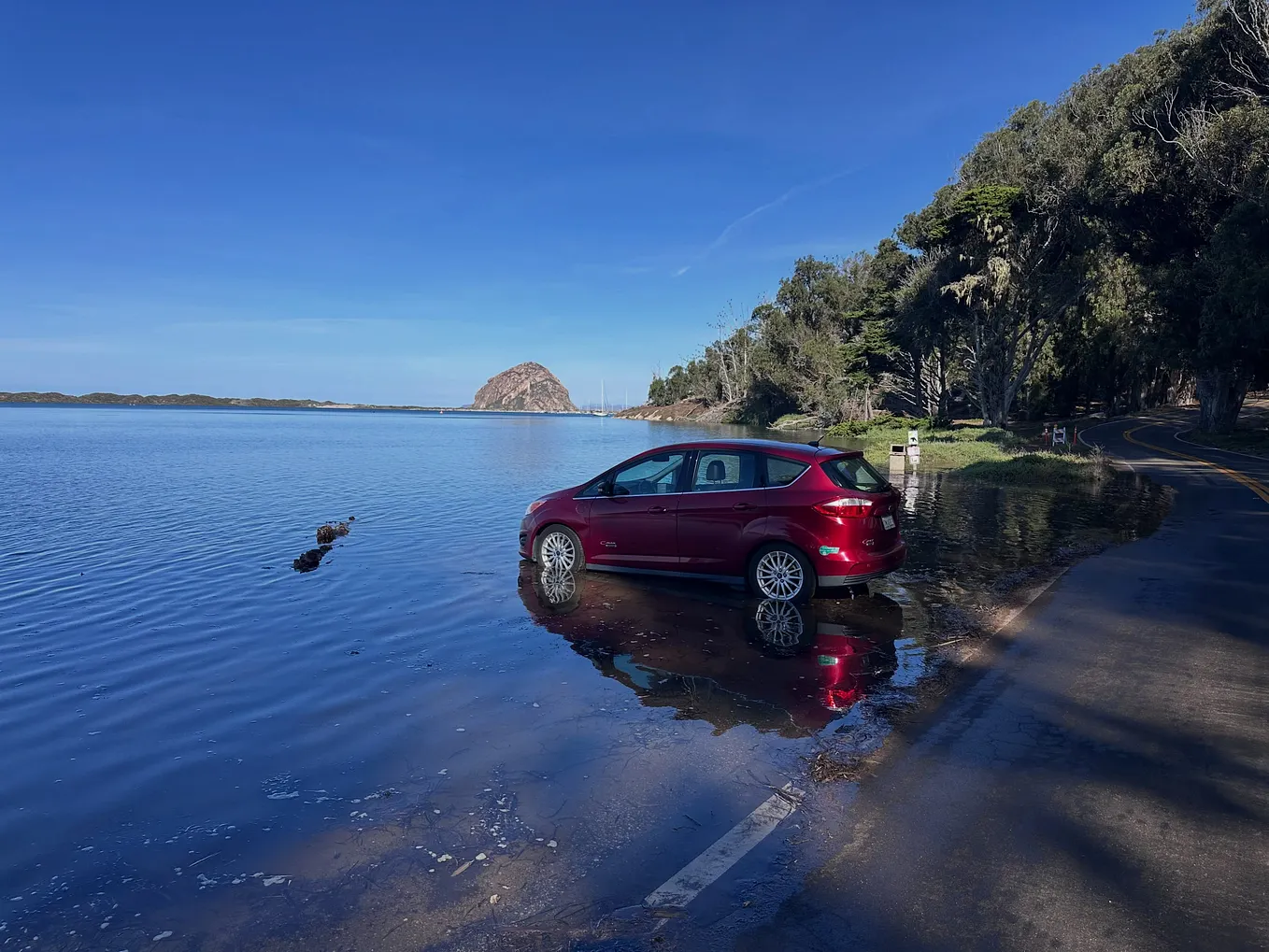
I’ve often wished that the Morro Bay estuary would be designated as a national wildlife refuge, as it more than qualifies with the diverse marine life and one of the highest bird species counts. Right now, a lot of it lies within a state park, and the rest is county or city property. It is, however, part of the National Estuary Program, which aids in helping keep the habitat in the best condition possible, and that benefits the birds and animals.
Morro Bay State Park constructed a boardwalk along the outskirts of the salt marsh section of the estuary making a search for the thousands of shorebirds, egrets, herons, and white pelicans easy with a good pair of binoculars. Three places on the other side of the estuary in Los Osos are also great for birdwatching. And it was birdwatching, or rather bird photography, that brought me to live here.
About fifteen years ago, I discovered that there are places inland that rival for my birdwatching and photography attention, and these are in the central valley of California, and they are National Wildlife Refuges. From the top of the state, where the Tule Lake Refuge sits, to the Tijuana Slough Refuge that is the farthest south, these are places to explore and are mostly undiscovered.
Most refuges in the country are free, but 30 of them charge a minimal fee to help with road upkeep and other maintenance costs. Regular visitors can purchase an America the Beautiful Federal Recreation Lands Pass for free entrance to these locations.
The first National Wildlife Refuge in the country was established by President Theodore Roosevelt in 1903 at Pelican Island in Florida to protect the brown pelican, which was being hunted, along with other birds like egrets and herons, for their plumage.
Get Ruth Ann Angus’s stories in your inbox
Join Medium for free to get updates from this writer.
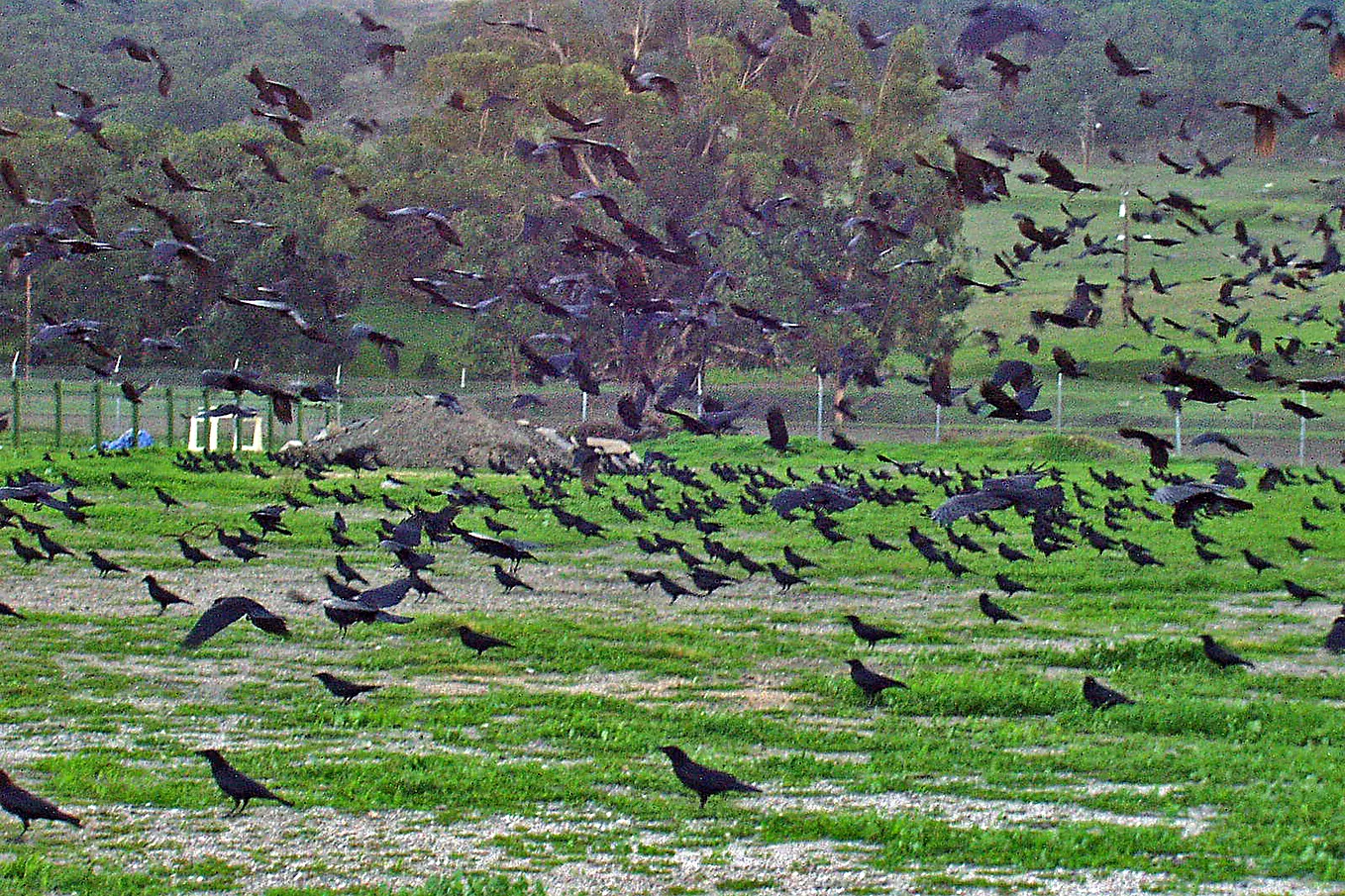
In California, I can recommend visiting the Sacramento National Wildlife Refuge complex and the San Luis National Wildlife Refuge complex. Refuges within these complexes will give you opportunities to see a variety of waterfowl, ducks, cranes, shorebirds, egrets, and herons, as well as other bird species. Land animals like foxes, rabbits, coyotes, Tule elk, deer, bobcats, pronghorns, reptiles, and amphibians are also found. But I have to say, bird life present during fall and winter months offers the most spectacular experience.
Watching thousands of sandhill cranes coming into land on refuge grounds at sunset or seeing 200,000 snow geese take off in the early morning are experiences you will not forget.

This week is National Wildlife Refuge Week in the United States, and there are 573 National Wildlife Refuge sites in the country that cover 95 million acres of protected lands. Threats to the National Wildlife Refuge system come from underfunding and understaffing that limit the ability of personnel to maintain the infrastructure, keep invasive species out, manage visitor impacts, and prevent activities such as mining and oil drilling.
The week is overshadowed and affected by the United States Congress Government Shutdown. You can still visit the refuges, though, but do not expect any facilities such as restrooms or visitor centers to be open. Other restrictions on off-road use, night use, and parking in undesignated areas are in effect. Law enforcement is on hand. Fishing, driving the auto routes for birdwatching, and some hunting are still allowed.
Don’t let the shutdown keep you from visiting a National Wildlife Refuge. Best to check with the facility you would like to visit before going to get all the necessary information so you can plan your visit. The birds and animals don’t know there is a shutdown. They will still be there. Right now, geese, cranes, shorebirds, and waterfowl are on their way to spend time feeding and resting up at the refuges.
Do email or make calls, or write to your congressional representatives to voice your concern about the National Wildlife Refuge System. Even without a government shutdown, these amazing sites struggle for adequate financing and help. One visit might convince you to support them and come back often.
See www.us.fws.gov/visit-us to read more about the National Wildlife Refuges.