Design talks business: four keys to unlocking impact
Business-minded designers can drive growth through rigorous experimentation and strategic thinking


As designers, we tend to live in our own world. We reach for the tools, frameworks and solutions that feel familiar. It’s comfortable. But it comes with a risk of disconnection: how do we know if our work drives the results we’re aiming for?
The key to being effective business leaders is connecting our work to its impact. To strengthen this connection, designers need to cultivate their strategic skills and sharpen their business focus.
1. Speaking the same language
Aligning with business stakeholders starts with establishing a shared vocabulary. It sounds simple, but it’s a foundational challenge: across different products and platforms, even the most basic metrics can mean entirely different things. If we aren’t aligned on the definitions, we can’t be aligned on the strategy.
Take a metric as seemingly straightforward as a “view.” Inside the Zalando app, a view on the home screen, where a user interacts with a few large, curated content blocks, looks entirely different from a view on a fast-moving, high-density feed or a continuous video stream.
As designers, our job is to look past the surface of the UI and master these nuances. True collaboration happens when we intentionally bridge the gap between our craft and business reality, translating the pixels we build in Figma into the strategic outcomes tracked in Business Requirement Documents (BRDs). When we understand exactly how analytics and business teams measure success, we can design with much higher precision.
2. Designing the ‘why’
Design is fundamentally about exploring different solution paths, recommending a strategic direction and explicitly tying that choice back to business goals. This final step is what separates execution-focused designers from true strategic partners.
To lead effectively, we have to look beyond the immediate feature request and deeply understand the business mechanics that are driving it. This means knowing exactly what success looks like for the product, identifying the specific levers that move the needle and ensuring our design solutions directly influence those metrics.
Experimentation is central to our work, and designers are increasingly in the driver’s seat. While product and design teams collaborate closely on discovery, designers are now expected to take ownership of how their solutions move key performance indicators. We’re seeing designers take the lead and become critical drivers of product strategy and scalable business growth, from actively co-authoring experimentation hypotheses to analysing test results.

3. Following up on long-term impact
Designers are an active part of the execution of a project — there’s no question there. What’s sometimes missing, however, is the follow-up. We can look at our Zalando Loyalty programme to illustrate the value of long-term follow-up. We launched the Loyalty programme in our first markets in July 2024, but it took almost a year to start seeing definitive results. A proposition like Loyalty is built on customer retention, which makes it tricky to measure through short-term metrics alone. You don’t get instant gratification and instant results. Success takes patience and breadth.
Get Maria Lumiaho’s stories in your inbox
Join Medium for free to get updates from this writer.
This is why it’s vital for designers to stay close to what they’ve put out in the world. We need to stay deeply curious about how the work is performing, not just on launch day, but after three, six or even twelve months, evaluating both customer value and business impact. Setting the right foundation for testing and scaling –with this broader horizon in mind — is exactly how designers transition from tactical executors to long-term business leaders.
4. Upskilling and raising the bar
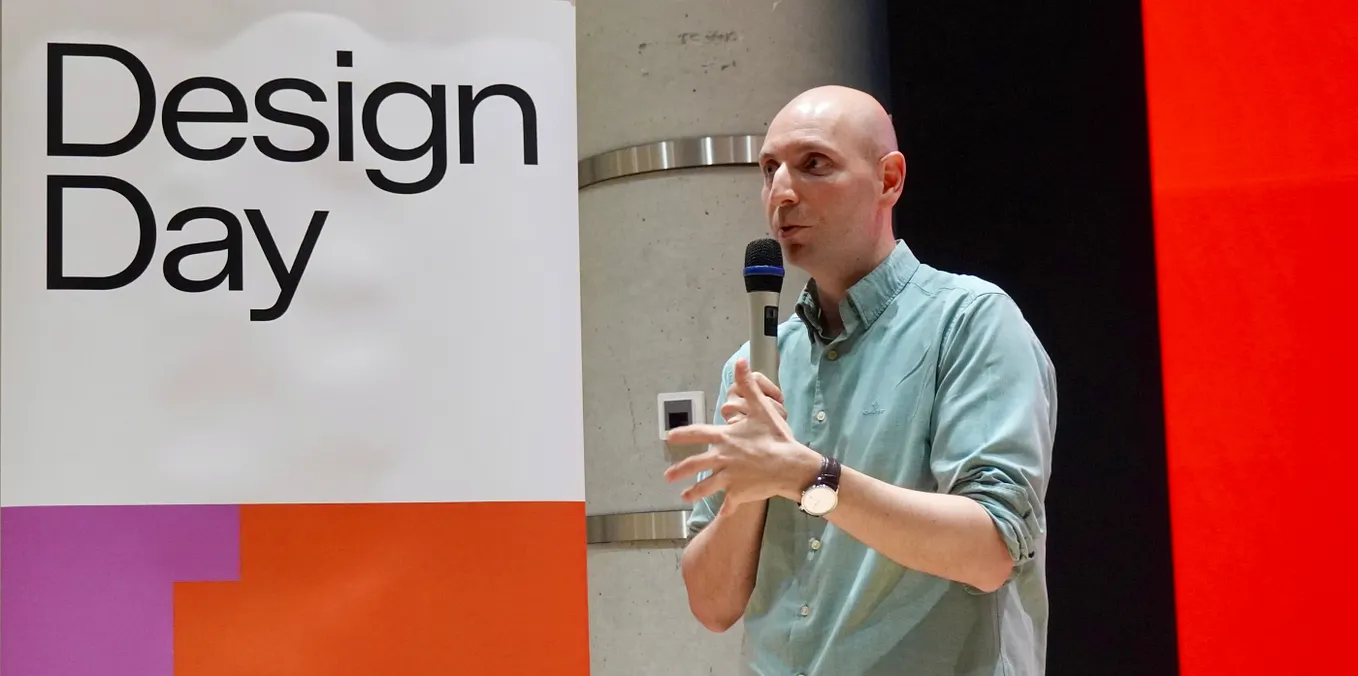
Our first Design Day for our Zalando Design Community was a deep dive into ‘Design talks business’. Beyond simply connecting our craft to its impact, the focus was on supporting our designers as business-minded leaders who co-author and drive the experimentation that fuels our growth.
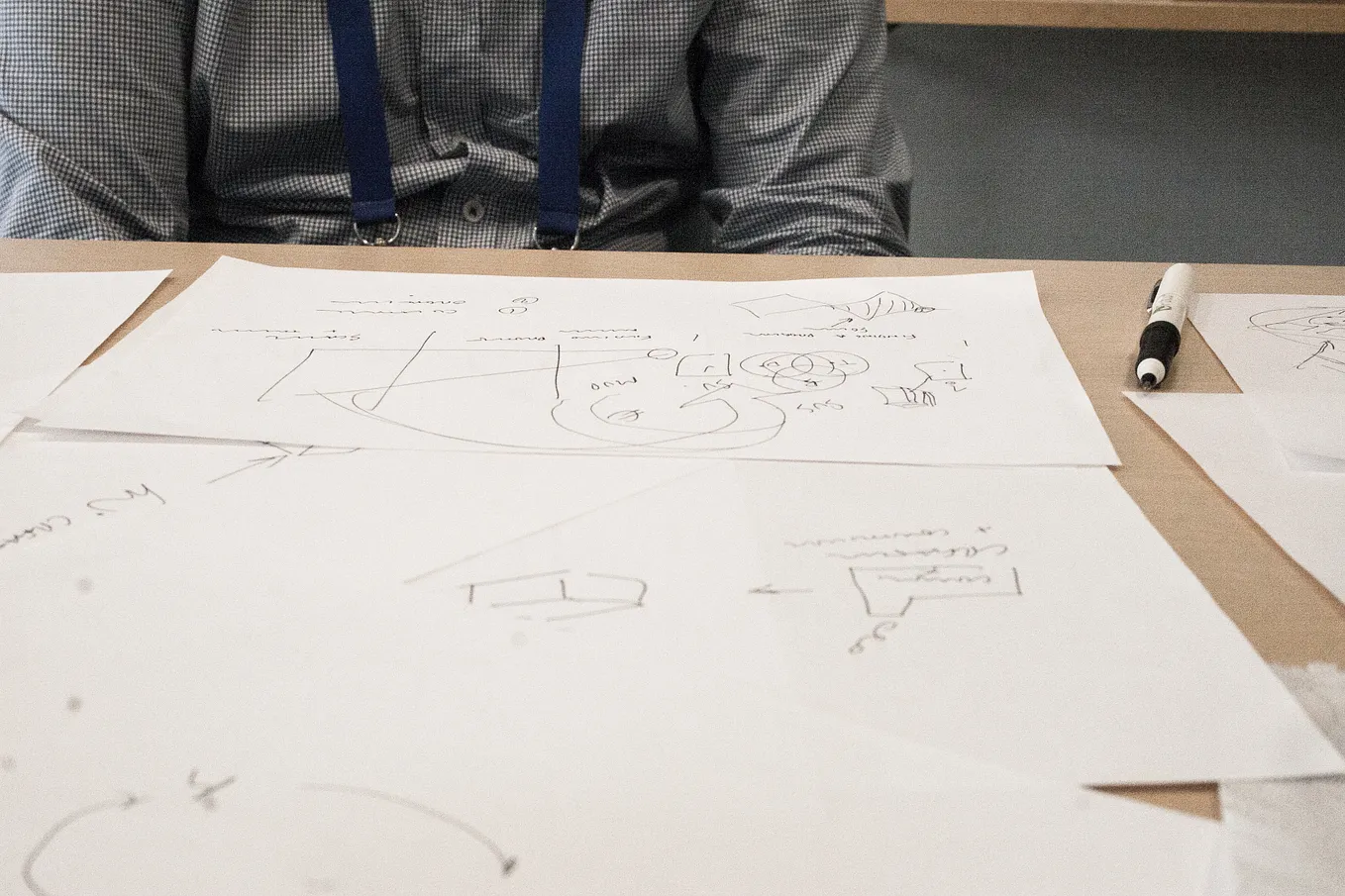
The atmosphere was inspiring, filled with active questions from the audience and conversations that continued long after the panels ended. We encouraged our presenters to share through the lens of their own specific projects, offering concrete, tangible advice. An event like this is a major milestone for coming together and raising the knowledge floor of the entire design community, but it’s also a moment for individual self-reflection.
True upskilling is a process of putting theoretical concepts into actual practice. Since that first Design Day, we’ve seen our designers actively take ownership of their professional growth. They’re writing sharper hypotheses, tapping into the expertise of their peers, analysing past experimentation papers and finding ways to test and learn faster.
Growth like this doesn’t happen overnight. It requires designers to systematically identify gaps in their business skillset and proactively seek out opportunities to bridge them, whether that means adjusting their daily workflow or partnering with leadership to get exposure to new types of strategic work. Not only does this improve designers’ individual skills, it fundamentally raises the bar for what design can achieve for the business.

Closing the loop and staying close to strategy
Embedding a business mindset into the design process once might have been just an advantage, but now, it’s a definite necessity for meaningful innovation. Exceptional design work can’t be isolated from business reality. To elevate our impact, we need to go beyond solving user problems and intentionally close the gap between craft and strategy. This happens when we’re aligned on shared metrics, designing for clear strategic objectives, committed to long-term follow through and continuously upskilling our teams. In bringing this strategic mindset to our craft, we unlock sustained growth and centre design as a core driver of business success.
Design Day 2026: toward AI-driven innovation
Building on the momentum of last year’s inaugural event, we’re ramping up for AI Design Day 2026. This year’s full-day agenda is curated to help designers upskill and to equip them with practical, actionable takeaways for their daily work. From keynotes exploring the state of AI adoption and user research to lightning talks on cutting-edge creative tools, the conference is focused on uncovering relevant, real-world insights.
Looking ahead, we’re expanding on our core foundation: design as a strategic, business-minded function, while embracing AI as a critical tool for future innovation and growth.