
Project roadmap template
Align teams and stakeholders with a high-level project roadmap template that outlines major milestones, tasks, and project goals.
BEST FOR
Project management
KEY FEATURES
Task planning
Prioritization
Pipeline management
What is a project roadmap template?
Strategic planning tool
The project roadmap template is a strategic planning tool for project management that aligns your work with the overall business strategy, product vision, and key strategic initiatives.
Defining and understanding project management details, such as the project's purpose, scope, and outcome, is critical to success. Connect your project's deliverables and milestones to the company’s goals for the most impact.
This template outlines the plan that drives the project toward its intended result.
Project roadmap template overview
The project management roadmap template provides a high-level overview of your project, offering a concise snapshot of its key elements. It helps team members and stakeholders quickly grasp the context and timeline.
The template will contain details such as tasks and milestones, timelines and due dates, risks and roadblocks, and required resources. It also displays the current state of the project for rapid decision-making.
It also outlines the roles of team members and stakeholders, and provides a list of project deliverables.
Why use a project roadmap?
Roadmaps deliver a range of benefits that enhance project planning and execution. When you provide a high-level overview of project goals, teams stay focused and aligned with strategic objectives.
A detailed project roadmap template includes important views into timelines and key milestones. They’re a key communication tool, so all stakeholders and team members stay aligned on project progress and expectations.
For marketing teams, a marketing roadmap can streamline campaign planning and synchronize activities with product releases. Technology roadmaps enable IT teams to make informed decisions about infrastructure investments and future technology needs.
With a clear roadmap, teams can track progress, quickly identify potential roadblocks, and make timely adjustments to keep projects on course.
Customizable views
Customizable roadmap views are essential for meeting the unique needs of each project or organization. This flexible template allows teams to adjust layouts, statuses, and details to highlight key features, project timelines, or strategic goals.
With an adaptable template, your project roadmap clearly communicates priorities and progress. A custom view makes it easier for all stakeholders to understand project status at a glance and by what is most important to them.
By tailoring views, teams can align roadmaps with stakeholder expectations and provide the precise information needed for effective planning and informed decision-making.
Stakeholder communication
Effective stakeholder communication is essential for project success. A collaborative roadmap template also provides quick access to tag, assign, and comment on tasks, or make decisions on project deadlines to address the overall scope of work.
Additionally, a well-structured roadmap template allows stakeholders to have real-time visibility into project goals, timelines, and milestones. With the right roadmap tools, tagging and assigning tasks keep responsibilities clear.
This transparency keeps everyone informed, streamlines collaboration, and gives stakeholders access to easily track progress, provide input, and stay aligned with project objectives.
Real-time project monitoring
Project monitoring is a crucial component of project management, and roadmaps provide a powerful means to track progress and manage risks. By outlining key milestones, timelines, and deliverables, a project roadmap template lets teams monitor their advancement against planned objectives.
This allows project owners to quickly spot any deviations from the plan. And regularly updating the roadmap allows teams to address issues proactively, adjust timelines, and reallocate resources as needed to keep the project on track.
With a clear roadmap in place, stakeholders can easily review progress, understand upcoming priorities, and ensure that the project schedule is on time and delivering value at every stage.
What does the project roadmap include?

Project backlog
A project roadmap template delineates the project backlog. This backlog contains an inventory of all pending tasks, features, and work items crucial for the successful completion of the project. It provides a visual roadmap that aids in organizing and prioritizing these elements, offering a strategic overview for effective project management.

Project timeline
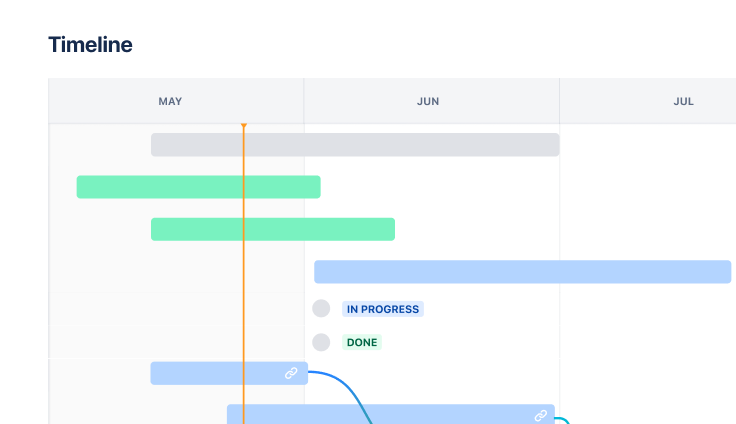
Project roadmap templates enhance team communication by visually presenting the project timeline. This visual roadmap serves as a valuable resource for stakeholders, offering clear insights into individual tasks' start and end dates, along with anticipated key milestones. As a result, team members have a shared understanding regarding the expected workload and the respective responsibilities for timely delivery.
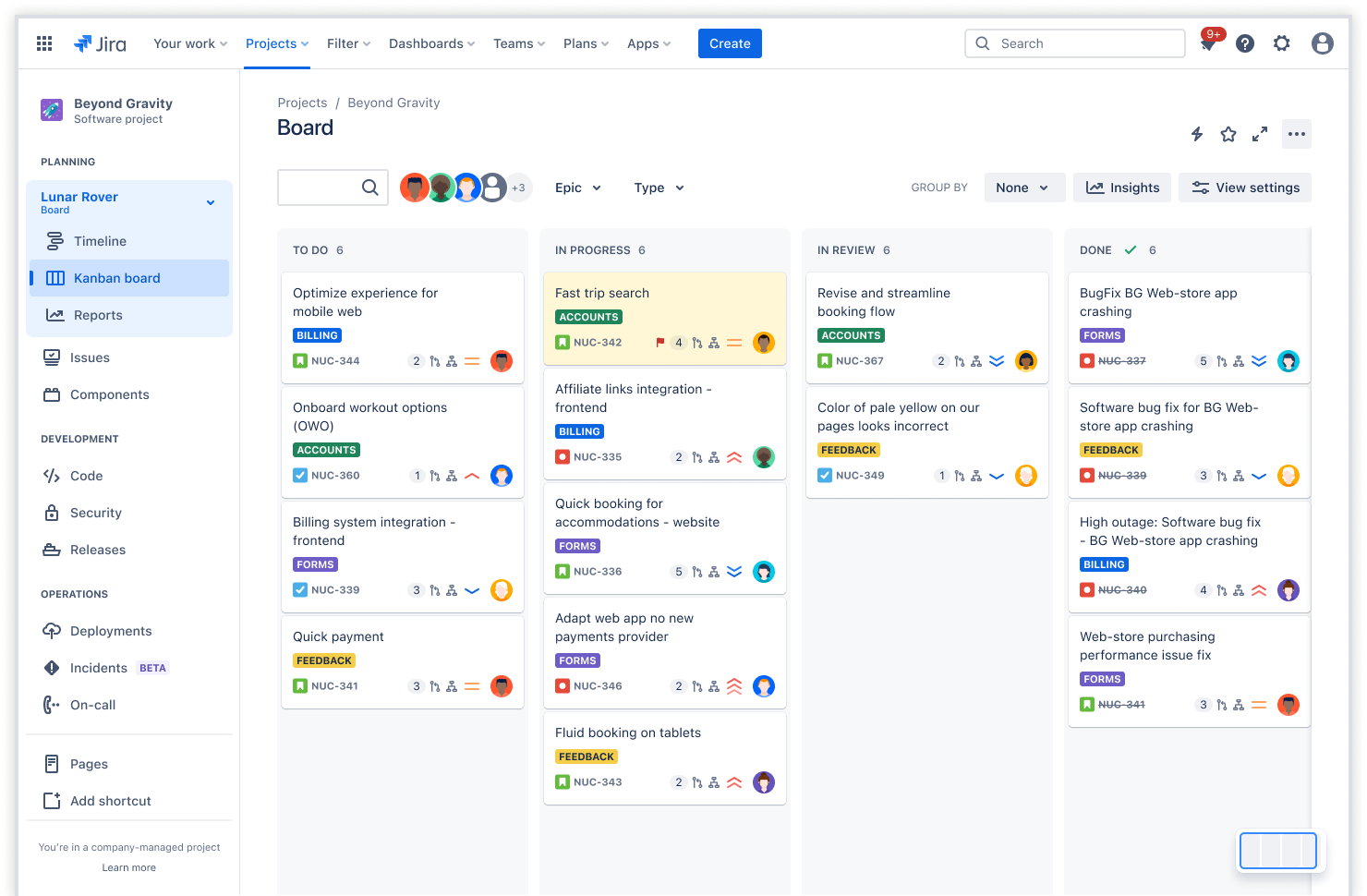
Kanban board
In addition to serving as a general project roadmap, it is designed as a kanban board template. It incorporates a Kanban board, a fundamental element of agile frameworks, to facilitate the comparison of real-time progress in tasks and milestones against the planned milestones outlined in agile workflows. This roadmap provides a dynamic visualization of ongoing work and fosters adaptability, enabling teams to make informed adjustments based on the continuous evaluation of tasks within the framework of agile principles.

Reports
Within the project roadmap template are integrated reports and dashboards designed to provide stakeholders with actionable insights into various facets of the project. These reporting features offer a comprehensive overview of the project's progress, allowing stakeholders to identify potential bottlenecks and make informed decisions. Additionally, the template includes performance metrics for individual team members, enabling stakeholders to gauge and appreciate the contributions of each team member to the project's success.
How to get started with the project report template

- 1
Define objectives
Start creating a project roadmap by choosing the template from Jira. Next, define your project’s goals and overall scope.
Answer why the project exists and what objectives you hope to accomplish. This helps you shape the project's overall scope and clarify essential requirements.
- 2
Identify key deliverables
Pinpoint project deliverables— the tangible results or outcomes that answer the customer's needs. Consider stakeholder expectations and end-user outcomes to help identify key deliverables at each milestone.
- 3
Set a timeline
Establish a realistic timeline that maps out the start and end dates for each task as well as key milestones. This aids in project planning and managing stakeholder expectations.
- 4
Allocate resources and tasks
Determine what resources you need to complete the project. Then, allocate project tasks to team members or stakeholders.
- 5
Get feedback
Encourage collaboration and input from stakeholders, especially at key milestones. Is the work meeting expectations? How does the work compare to the project baseline? Ask stakeholders to share their feedback.
- 6
Review and refine
Work completed using the project roadmap template is iterative. As the project evolves and stakeholders review the work, team members can use continuous improvement to refine the output.
Related templates
Marketing
Jira project management template
Manage activities for completing a business project.

