
 Sign in with Facebook
Political Activism Quotes
Quotes tagged as "political-activism"
Showing 1-10 of 10


“It can be difficult to speak truth to power. Circumstances, however, have made doing so increasingly necessary.”
― Splendid Literarium: A Treasury of Stories, Aphorisms, Poems, and Essays
― Splendid Literarium: A Treasury of Stories, Aphorisms, Poems, and Essays

“Tired as I was of conflict, I felt that I must not shrink from the fight, nor abandon in cowardice the attempt to prove, as no theories could ever satisfactorily prove without examples, that marriage and motherhood need never tame the mind, nor swamp and undermine ability and training, nor trammel and domesticise political perception and social judgement. Today, as never before, it was urgent for individual women to show that life was enriched, mentally and spiritually as well as physically and socially, by marriage and children; that these experiences rendered the woman who accepted them the more and not the less able to take the world's pulse, to estimate its tendencies, to play some definite, hard-headed, hard-working part in furthering the constructive ends of a political civilisation”
― Testament of Youth
― Testament of Youth
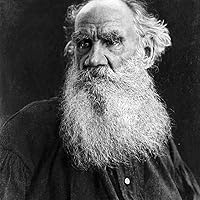
“They were dealt with as in war, and they naturally employed the means that were used against them.”
― Resurrection
― Resurrection

“As an instrument of empowerment oil has been spectacularly effective in removing the levers of power from the reach of the populace. "No matter how many people take to the streets in massive marches," writes Roy Scranton, "they cannot put their hands on the real flow of power because they do not help to produce it. They only consume." Under these circumstances, a march or a demonstration of popular feeling amounts to "little more than an orgy of democratic emotion, an activist-themed street fair, a real-world analogue to Twitter hashtag campaigns: something that gives you a nice feeling, says you belong in a certain group, and is completely divorced from actual legislation and governance." In other words, the public sphere, where politics is performed, has been largely emptied of content in terms of the exercise of power: as with fiction, it has become a forum for secular testimony, a baring-of-the-soul in the world-as-church. Politics as thus practices is primarily an exercise in personal expressiveness.”
― The Great Derangement: Climate Change and the Unthinkable
― The Great Derangement: Climate Change and the Unthinkable

“Phillip. the Dream Defenders founder, had a similar insight. For him, the experience of the Blackout had been a lesson in the varieties of power. Borrowing a concept from Joseph Nye, the political scientist, he now came to understand social media as a form of 'soft power,' a force that shapes culture through argument and story. But there was also 'hard power,' which Nye, in assessing the capacity of different nation-states, characterized as military and economic might. For movements, hard power was the ability to lobby for legislation, elect sympathetic political leaders, get resources allocated toward your cause. Social media, Phillip now saw more clearly, was good at building soft power. But when it came to hard power, it could do very little. And if for Nye every successful state needed a mix of the two, this was doubly true of social movements, which didn't stare with a store of either.
The only way to built hard power was on the ground. As Rachel put it, 'You just can't shortcut organizing.' It made them want to stop the performance, the race for followers, even the reflex to always make their actions public-they would think carefully about if and when to use tactics like occupations and sit-ins.”
― The Quiet Before: On the Unexpected Origins of Radical Ideas
The only way to built hard power was on the ground. As Rachel put it, 'You just can't shortcut organizing.' It made them want to stop the performance, the race for followers, even the reflex to always make their actions public-they would think carefully about if and when to use tactics like occupations and sit-ins.”
― The Quiet Before: On the Unexpected Origins of Radical Ideas
“The seven core members also became more involved in local Minneapolis politics. Drawing attention at a national level had been the driving impetus of the earlier Black Lives Matter protests, which had relied on getting that hashtag to spike. Now it was clear that if their focal point was police funding, it would need to be a local effort, dependent on a partnership with the city council and the mayor's office, where these budgetary decisions were made. They would need to learn the mechanics and make some allies.
This was organizing as it had long been done, and they got good at it. It was also, in a way, what separated Minneapolis from Cairo. Whereas the Middle East lacked a democratic or grassroots political tradition-and had no way to even imagining how to create one-this wasn't the case in America....But there was a long history of African American organizing that predated Silicon Galley. Miski and their friends got to know city council members and their aides, inundated them with research material, visited their offices, and maybe most important, brought people out to hearings when the budget was being discussed, arguing in forum after forum against the belief that all the police needed were a few more bodycams. All this happened without much fanfare and largely off-line.”
― The Quiet Before: On the Unexpected Origins of Radical Ideas
This was organizing as it had long been done, and they got good at it. It was also, in a way, what separated Minneapolis from Cairo. Whereas the Middle East lacked a democratic or grassroots political tradition-and had no way to even imagining how to create one-this wasn't the case in America....But there was a long history of African American organizing that predated Silicon Galley. Miski and their friends got to know city council members and their aides, inundated them with research material, visited their offices, and maybe most important, brought people out to hearings when the budget was being discussed, arguing in forum after forum against the belief that all the police needed were a few more bodycams. All this happened without much fanfare and largely off-line.”
― The Quiet Before: On the Unexpected Origins of Radical Ideas

“If you’re someone fighting for fair and just outcomes (however you define that), if you fight in a way that amplifies political animosity, you may end up helping create a world that is less fair and less just. This is why it’s important to pursue one’s political aims in depolarizing, de-escalating, and persuasive ways. And this is entirely possible: You can work toward any political goal while avoiding dehumanizing and insulting your political opponents, and while speaking in persuasive, respectful ways.”
― How Contempt Destroys Democracy: An American Liberal's Guide to Toxic Polarization
― How Contempt Destroys Democracy: An American Liberal's Guide to Toxic Polarization

“When I told the local Yablokites I wanted to join the party, they gave me suspicious looks and asked why I would want to do that. "You have a job, right? You are a real lawyer, right?" This pissed me off. Everything was chaotic and nobody was doing anything practical. I was keen to get things done, preferably right now. They told me that first I would need to go through a standard admission process: become a supporter, then a candidate for party membership, collect favorable references, and wait a year. Then they would accept me.
Most people joined Yabloko because they admired its leader, Grigory Yavlinsky. I did not share the depth of those feelings. If during my enthusiasm for Yeltsin I could not stand Yavlinsky and saw him as someone who was taking votes away from Yeltsin, my attitude toward him now became more nuanced and I began to consider him a decent, honest politician. The former Communist Party bureaucrats who had surreptitiously sidled over from their Soviet offices into the offices of the Russian Federation were thieves, but he was a man with values. He stood up for his ideology and, overall, the Yabloko party acted consistently. It was nervous about doing anything decisive and preferred to conduct intellectual discussions, but at least its members believed what they were saying.
I gradually detected that the unanimous admiration of Yavlinsky was so strong it sometimes tipped over into a leadership cult. The party leaders and he himself were unchallengeable, and the hierarchy within the party was strictly observed. Hence, they were wary of newcomers, in case someone daring came along and tried to take over the party! They looked askance at me because I didn't fit their image of a standard political activist. I took a shower in the mornings and I had a job. I must have been asked a hundred times why, when they had little or no money, I was staying with them. I still can't shake this off. People still suspect there's a catch. After all, if you have a good education and a good job, why would you be fighting against Putin? Why are you doing your investigations? Perhaps you're getting leaks from competing towers of the Kremlin, or perhaps you're a Kremlin stooge yourself. Or a stooge of the West. All my life people have been inventing conspiracy theories about me to somehow explain my interest in politics. If nowadays I find it amusing, back then it was annoying. The fact that Yabloko found me so baffling indicated they had no faith in their own strength.
I went into politics to fight against people who are wrecking my country, are incapable of improving our lives, and act solely in their own interests. I intended to win.
I found campaigns absorbing. After getting involved as an election observer, I noticed two things: first, my legal experience was going to come in very handy; and, second, I could see what was going on in the campaigns far better than the average party lawyer. The main motivation, though, was that this was real legal work. When I started my studies, this is exactly what I pictured working as a lawyer would be: a courtroom, a judge sternly calling everyone to order. I am defending my client, waving papers in the air, arguing, conclusively proving things, and at that moment I am only too aware that I'm fighting the bad guys. It may sound corny, but it's true: I wanted my efforts to make the world a better place.
My company, building offices in Moscow, offered no such opportunities. I shuddered at the thought that my whole life might be spent helping certain people make an extra couple of million dollars. Slowly, I began distancing myself from corporate work. I didn't dump it right away, because even after I was admitted to Yabloko, I remained a volunteer for a long time and received no salary. When I did start receiving one, it was $300 a month, though I didn't always get paid...I had a family to support, so I continued working as a lawyer.”
― Patriot: A Memoir
Most people joined Yabloko because they admired its leader, Grigory Yavlinsky. I did not share the depth of those feelings. If during my enthusiasm for Yeltsin I could not stand Yavlinsky and saw him as someone who was taking votes away from Yeltsin, my attitude toward him now became more nuanced and I began to consider him a decent, honest politician. The former Communist Party bureaucrats who had surreptitiously sidled over from their Soviet offices into the offices of the Russian Federation were thieves, but he was a man with values. He stood up for his ideology and, overall, the Yabloko party acted consistently. It was nervous about doing anything decisive and preferred to conduct intellectual discussions, but at least its members believed what they were saying.
I gradually detected that the unanimous admiration of Yavlinsky was so strong it sometimes tipped over into a leadership cult. The party leaders and he himself were unchallengeable, and the hierarchy within the party was strictly observed. Hence, they were wary of newcomers, in case someone daring came along and tried to take over the party! They looked askance at me because I didn't fit their image of a standard political activist. I took a shower in the mornings and I had a job. I must have been asked a hundred times why, when they had little or no money, I was staying with them. I still can't shake this off. People still suspect there's a catch. After all, if you have a good education and a good job, why would you be fighting against Putin? Why are you doing your investigations? Perhaps you're getting leaks from competing towers of the Kremlin, or perhaps you're a Kremlin stooge yourself. Or a stooge of the West. All my life people have been inventing conspiracy theories about me to somehow explain my interest in politics. If nowadays I find it amusing, back then it was annoying. The fact that Yabloko found me so baffling indicated they had no faith in their own strength.
I went into politics to fight against people who are wrecking my country, are incapable of improving our lives, and act solely in their own interests. I intended to win.
I found campaigns absorbing. After getting involved as an election observer, I noticed two things: first, my legal experience was going to come in very handy; and, second, I could see what was going on in the campaigns far better than the average party lawyer. The main motivation, though, was that this was real legal work. When I started my studies, this is exactly what I pictured working as a lawyer would be: a courtroom, a judge sternly calling everyone to order. I am defending my client, waving papers in the air, arguing, conclusively proving things, and at that moment I am only too aware that I'm fighting the bad guys. It may sound corny, but it's true: I wanted my efforts to make the world a better place.
My company, building offices in Moscow, offered no such opportunities. I shuddered at the thought that my whole life might be spent helping certain people make an extra couple of million dollars. Slowly, I began distancing myself from corporate work. I didn't dump it right away, because even after I was admitted to Yabloko, I remained a volunteer for a long time and received no salary. When I did start receiving one, it was $300 a month, though I didn't always get paid...I had a family to support, so I continued working as a lawyer.”
― Patriot: A Memoir
All Quotes
|
My Quotes
|
Add A Quote
Browse By Tag
- Love Quotes 101.5k
- Life Quotes 79.5k
- Inspirational Quotes 76k
- Humor Quotes 44.5k
- Philosophy Quotes 31k
- Inspirational Quotes Quotes 29k
- God Quotes 27k
- Truth Quotes 25k
- Wisdom Quotes 24.5k
- Romance Quotes 24.5k
- Poetry Quotes 23.5k
- Life Lessons Quotes 22.5k
- Quotes Quotes 21k
- Death Quotes 20.5k
- Travel Quotes 20k
- Happiness Quotes 19k
- Hope Quotes 18.5k
- Faith Quotes 18.5k
- Inspiration Quotes 17.5k
- Spirituality Quotes 16k
- Relationships Quotes 15.5k
- Life Quotes Quotes 15.5k
- Religion Quotes 15.5k
- Love Quotes Quotes 15.5k
- Motivational Quotes 15.5k
- Writing Quotes 15k
- Success Quotes 14k
- Motivation Quotes 13k
- Time Quotes 13k
- Motivational Quotes Quotes 12.5k
