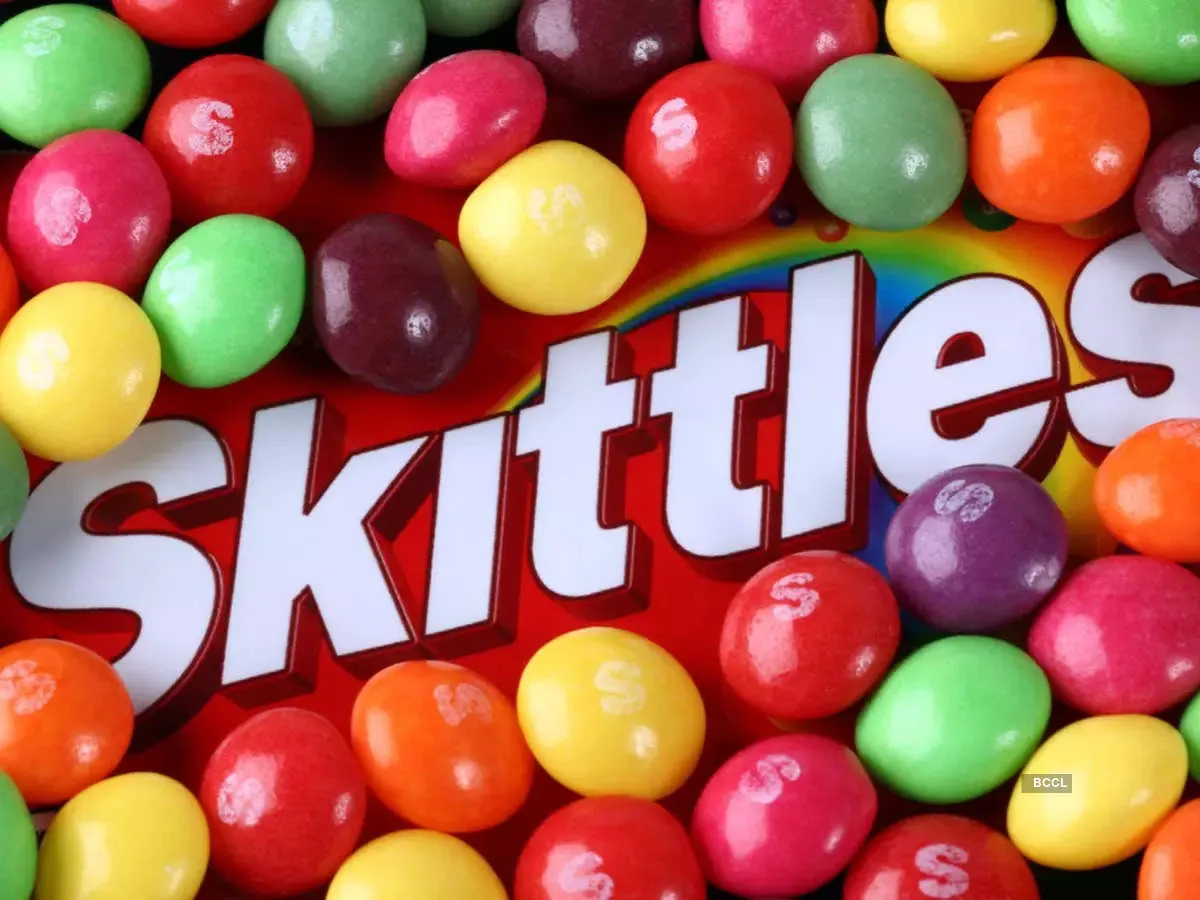
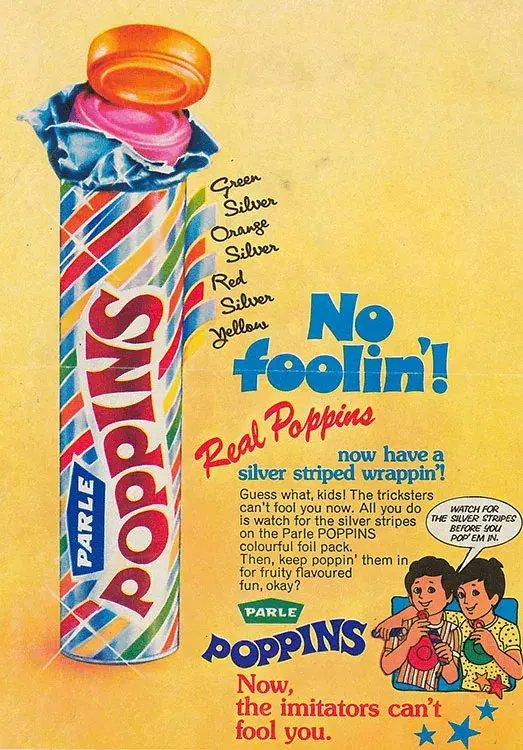
𝐂𝐨𝐩𝐲, 𝐏𝐚𝐬𝐭𝐞, 𝐂𝐨𝐦𝐩𝐞𝐭𝐞: 𝐇𝐨𝐰 𝐃𝐮𝐩𝐞 𝐂𝐮𝐥𝐭𝐮𝐫𝐞 𝐈𝐬 𝐃𝐢𝐬𝐫𝐮𝐩𝐭𝐢𝐧𝐠 𝐌𝐚𝐫𝐤𝐞𝐭𝐢𝐧𝐠


One of the most interesting developments in marketing today is happening right under the noses of some of the world’s most powerful brands: consumers are actively looking for alternatives to the very brands they once aspired to own.
Welcome to Dupe Culture.
From beauty products and handbags to fashion, footwear and fragrances, consumers are increasingly choosing affordable alternatives to premium brands. Social media has accelerated this trend, with influencers and consumers comparing originals with cheaper counterparts and openly questioning whether the premium is justified.
But this is more than a price story. It raises some interesting questions for marketers and business leaders.
Get Vejay Anand’s stories in your inbox
Join Medium for free to get updates from this writer.
Are consumers paying for the product or the brand name? How much of a premium is a brand actually entitled to charge? Is brand loyalty becoming conditional on the value delivered? And should established brands fight the dupes or learn to embrace them?
For businesses, the implications extend beyond pricing. Product differentiation, innovation, brand equity, customer experience and intellectual property are all becoming increasingly important.
Interestingly, being copied can also signal that you’ve created something desirable. But being desirable is not enough if consumers cannot identify a compelling reason to buy the original.
Perhaps the biggest lesson is this: ‘Consumers are not necessarily rejecting brands. They are questioning the premium attached to them.’
The future may belong to brands that can create a difference consumers can recognise, experience and justify paying for.
Is dupe culture democratising consumption, or slowly eroding brand value?
TO READ MORE — https://onlykutts.com/index.php/2026/11/12/dupe-culture-impact-on-marketing-and-brand-value/