IOT DEVICE MANAGEMENT APPLICATION DEVELOPMENT PROCESS.

WHO ARE IOT?
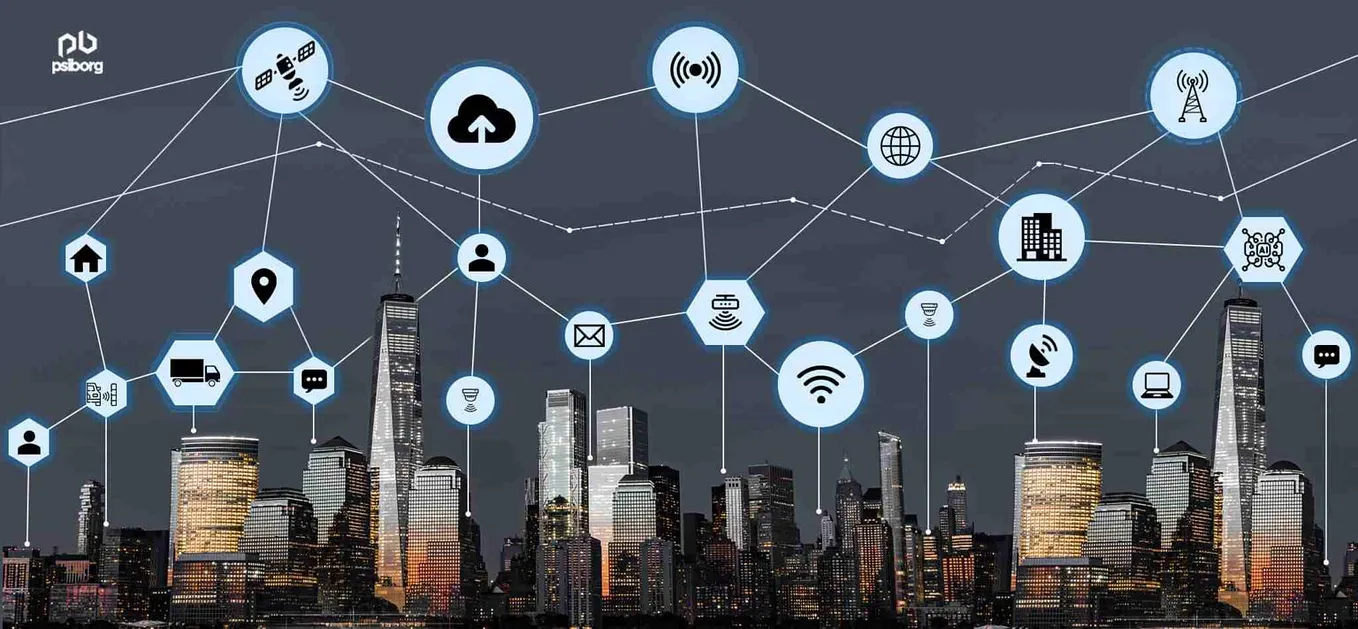
The term “Internet of Things” (IoT) describes a network of interconnected, internet-connected things, or “IoT devices,” that can gather and send data through a network. Making an IoT app facilitates administering, controlling, and tracking these IoT Devices.
HOW DO IOT APPS WORK?
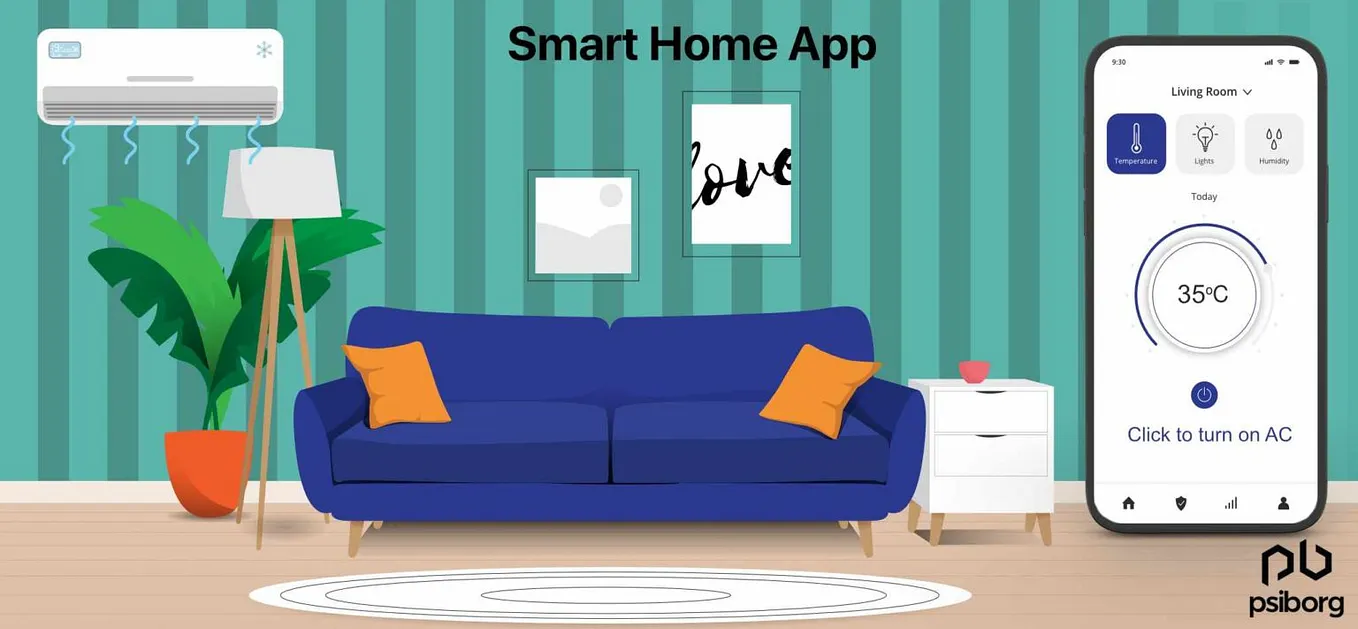
IoT devices are operated through smartphone applications that are linked to them. There are several automated sectors where our smart phone apps may be used for monitoring and controlling. Just a few examples include wearable technology, healthcare, industrial automation, smart homes and buildings, and automobiles. IoT apps are increasingly integrating AI and ML to create smarter, more intelligent devices.
IMPORTANCE OF CREATING IOT APPS
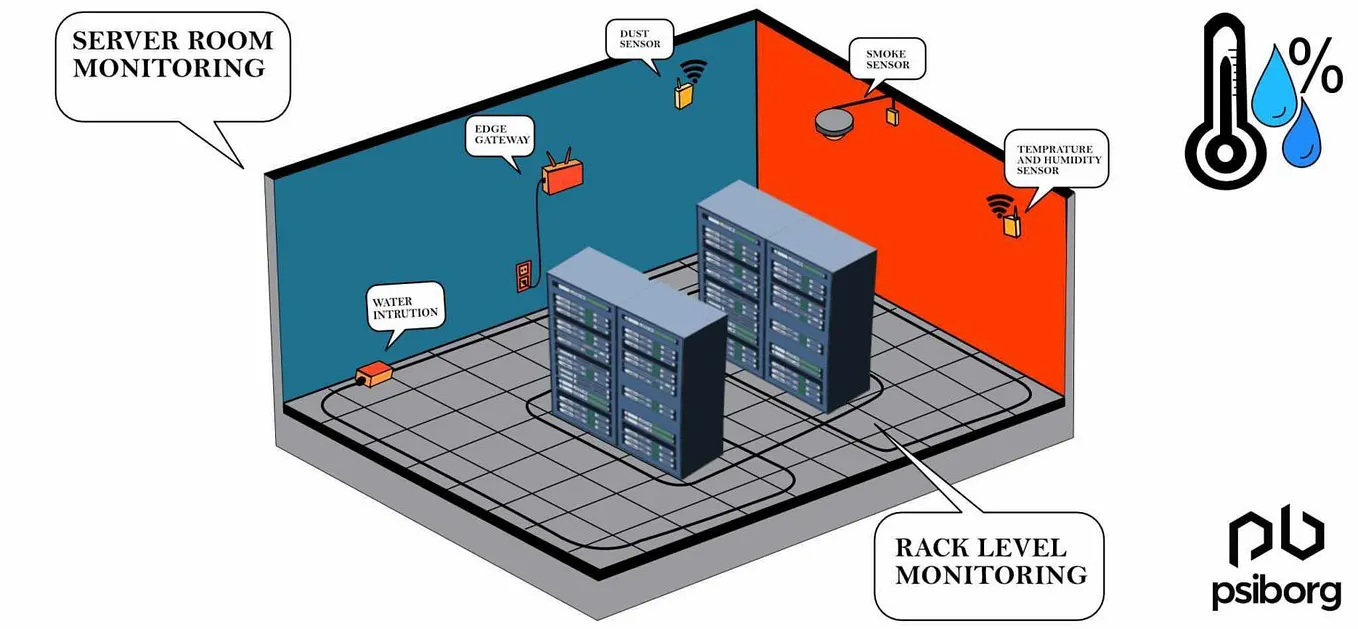
IoT applications (apps) may be utilised in a variety of ways to streamline company workflows and carry out process optimization, automation, and control while delivering the necessary information and even remotely monitoring environmental conditions.
IoT applications may deliver real-time data that organisations need to build new goods and services, enhance existing ones, and create new business models thanks to these capabilities.
AWARENESS OF THE IOT ECOSYSTEM
HARDWARE FOR IOT
IoT hardware includes a variety of low-power sensors that connect to the internet and communicate across wireless networks. There are several steps involved in putting your IoT idea into practise, from IoT development boards to bespoke hardware. IoT device prototyping is typically the initial step toward a product.
IOT FRAMEWORK
Firmware is the name for the hardware code that is written into the microcontroller to carry out particular functions. In the Internet of Things, the complexity of the hardware-required functions affects the choice of microcontroller.
IOT SOFTWARE
A cloud-based application, which might be a web app or a mobile app, is the software for an IoT system. It serves as a dashboard for managing all linked IoT devices’ functionality. Additionally, the dashboard displays data from sensors to users.
IOT CLOUD PLATFORM
One of the most important components of the IoT ecosystem is the cloud. IoT cloud integration serves as a link between the hardware and software worlds. All the data that was received from IoT devices is stored and processed by it. IoT solutions may be employed with a variety of cloud platforms.
PROTOCOLS FOR COMMUNICATION AND SENSOR NETWORK
The network is a foundational element of the Internet of Things. The communication protocol is used for all data transmission between IoT devices, devices, and applications. The protocols for IoT communication ensure connectivity between hardware and the cloud, between the cloud and mobile applications, and between IoT devices. Therefore, having a strong network is essential for getting the most out of IoT systems.
CREATING A STRONG IOT APP

SELECT THE SUITABLE PLATFORM FOR IOT APP BUILDING
Different IoT Platforms are needed to build IoT applications.
One of the biggest problems to overcome with these platforms is technological compatibility/inconsistency, which is separate from the technology needed and the money associated. This is proven to be quite beneficial for IoT developers who want to link devices from many suppliers that use various protocols together into a single integrated system.
As an illustration, the Google IoT platform Android Things connects to low-energy sensors and supports devices from different manufacturers.
SELECT THE MOST SUCCESSFUL HARDWARE.
Your IoT system’s functionality will improve if you select the most durable hardware. When we discuss a piece of hardware’s dependability, we are referring to the fact that it must meet the specifications of the product solution.
The precision of the hardware connection is also crucial. To obtain this quality assurance, you might use electrical components like controllers or sensors produced by reputable device manufacturers.
Implement FoTA for future updates if hardware supports internet connectivity so that you won’t need physical access to the devices to update them.
ENSURE SCALABILITY OF YOUR IOT APP
The speed at which you intend to build the functionality of your app must be carefully considered before you begin planning its functionality. How scalable your app is will determine its usefulness. It must be able to control a growing number of devices, processes, and data.
The most scalable IoT apps are those that support cloud platforms.
CREATE YOUR APP WITH SPEED IN MIND.
Get PsiBorg’s stories in your inbox
Join Medium for free to get updates from this writer.
Users dislike lagging or hanging apps. Your IoT applications must thus load quickly. This is especially valid when we are using remote controls to operate equipment.
Imagine an Internet of Things (IoT) automobile app that doesn’t respond right away to voice instructions. The entire client experience might be ruined by this circumstance. Performance and fast connectivity are thus of utmost importance in the IoT ecosystem.
DEVELOP A SECURE APP
Your app’s safety and security are of the utmost importance. The IoT app is subject to security vulnerabilities because of the vast number of devices linked to the IoT network.
The only industries having IoT deployments are those related to homes, automobiles, and healthcare infrastructure. Sensitive personal information may be lost or leaked as a result of data breaches in several sectors.
Here are some simple suggestions for securing your IoT apps:
- Consider your choice of hardware providers carefully. If necessary, you may also run your IoT app by security experts.
- Always utilise reputable IoT platforms — Be careful to choose trustworthy platforms that frequently test and upgrade their solutions.
- Watch out for both physical and network threats. Any data saved on a device should be encrypted as well as physically protected; make sure it is difficult to remove the storage.
- Use secure networks — All information travelling between your app and devices via a server or the cloud should be encrypted.
- Use recommended app security procedures Use encryption, two-factor authentication, and similar strategies to protect your IoT apps from hostile cyberattacks
TECH STACK FOR IOT APP CREATION
The following frameworks are used by developers of IoT applications:
- MERN (MongoDB, Express, React, Node)
- Flutter
- Ionic
- Swift
- Kotlin
While Swift and Kotlin frameworks are chosen for the creation of Native IoT apps, Flutter, Ionic, and React Native frameworks are utilised for the creation of Hybrid IoT apps.
To learn more about native and hybrid IoT apps, see this link.
IOT APP DIFFICULTIES
IoT app development faces two key obstacles:
SECURITY
In the IoT ecosystem, security is the most crucial issue.
According to a Bain poll, a significant portion of customers value security while utilising IoT devices.
IoT systems are very susceptible to hacker assaults and data breaches since the security regulations for IoT are fairly ambiguous and manufacturers and IoT software developers tackle security concerns in their own ways.
INCOMPATIBILITY WITH TECHNOLOGY
The IoT business faces an obvious hurdle in the form of technological incompatibility. The phrase describes a circumstance in which IoT solutions do not function with the current technology and device architecture.
Let’s say you want to develop an IoT app for a smart house. Due to compatibility problems, it is still difficult to manage all smart devices from third parties using a single app.
CONCLUSION
Despite the difficulties, research and development are ongoing in the field of IoT app development. IoT app development has a promising future since IoT is fast affecting every part of our life, including business, healthcare, and even industries.
For a variety of applications, including smart homes, industrial monitoring, agricultural, wearable technology, etc., PsiBorg specialises in IoT mobile and web app development. Please get in touch with us if you need any help developing IoT hardware or software.
This article was originally published here: BUILDING IOT APP TO MANAGE IOT DEVICES