The City We Never Saw from the Train

We spent our first year underground, moving fast and seeing nothing. Then one afternoon we took the wrong bus, and the whole island opened up.
The bus was the number 36, and we boarded it by mistake.
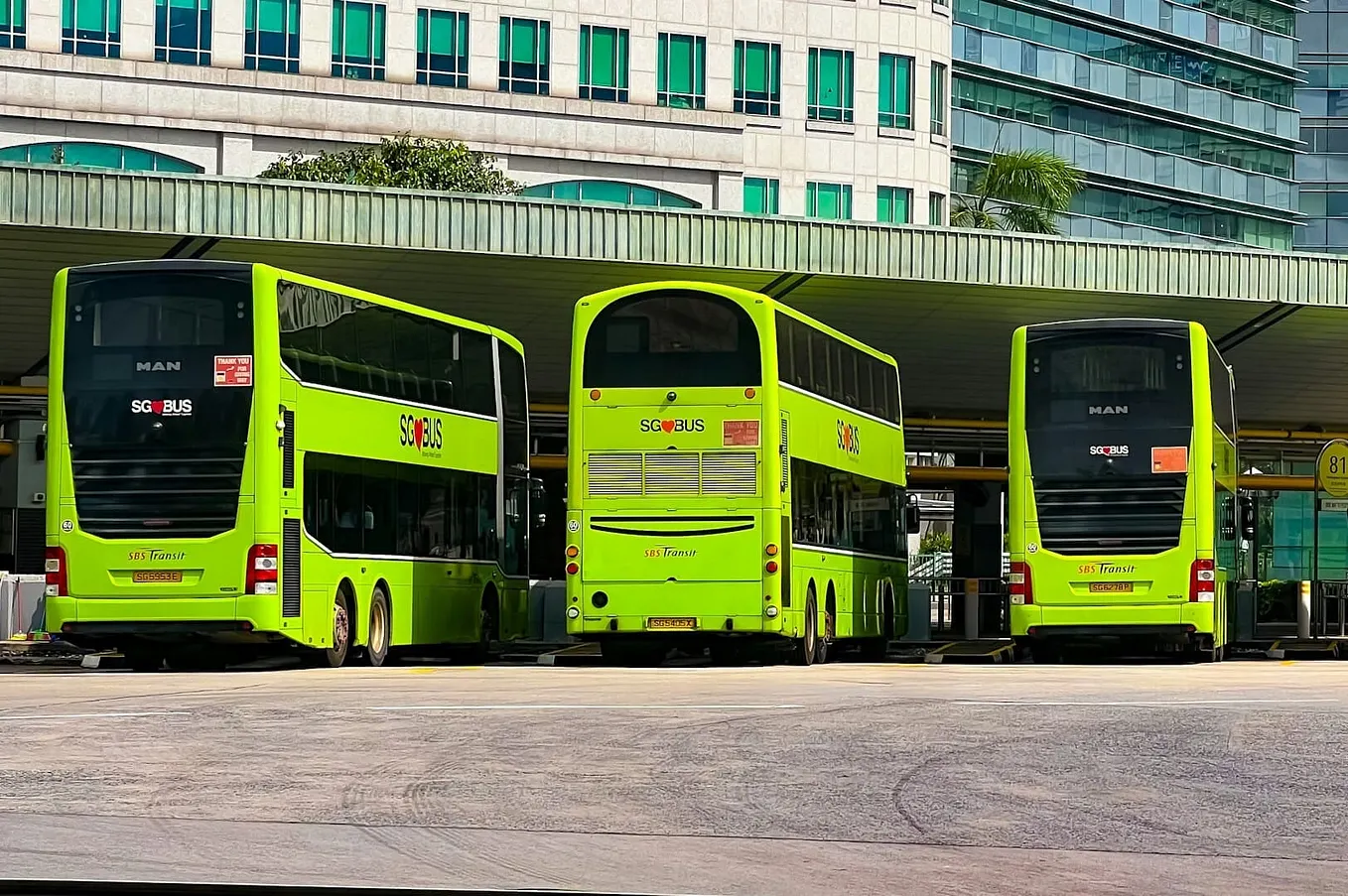
We had meant to take the MRT, the way we always did. But it was raining, the station was a long walk in the wrong direction, and a double-decker sighed to a stop right in front of us with its doors open like an invitation. We tapped our card without thinking and climbed the narrow stairs to the top deck, because there was nowhere else to sit.
The front seat was empty. We took it.
And then the bus pulled away, and Singapore unrolled in front of us through a wide wet windscreen, the East Coast greyed by rain, the sea flat and silver beyond the trees, the city rising slowly in the distance like something being remembered rather than approached.
We had lived here for months. We had never seen it like this.

The Speed We Mistook for Knowing
We were MRT people, and we were proud of it.
The train was how we had learned to feel competent here. We knew which carriage stopped nearest the exit. We knew the interchange where you cross the platform without climbing stairs. We could get from our flat to almost anywhere in the city without once looking up, without once being lost, and in those early months that felt like a kind of belonging.
But the train asks nothing of you except that you endure it. You descend into the cool dark, you wait, you rise somewhere else. The city between two stations simply does not exist. You arrive without ever having travelled.
We had confused that efficiency with understanding. We thought that because we could reach a place quickly, we knew it.
We had been living in Singapore the way you skim a book, arriving at every chapter without reading a single page.
The bus was slower. That was the whole point, though we didn’t know it yet.
What the Upper Deck Showed Us
From up there, the city stopped being a map and started being a place.
We watched shophouses slide past at eye level with their second floors, the shuttered windows, the potted plants on narrow ledges, the laundry hung out on bamboo poles even in the rain. We saw a barber mid-cut through a lit doorway. We saw an old man carrying a single fish home in a plastic bag. We saw a wet market packing up for the afternoon, the fishmongers hosing down their stalls, the last of the vegetables carried inside in cardboard boxes soft with damp.
None of it was remarkable. That was what undid us.
These were not sights. They were not attractions. They were simply the ordinary life of the island, happening at street level, in neighborhoods whose names we had only ever seen as stops on a train line: Joo Chiat, Geylang, Katong, places we had passed beneath a hundred times and never once seen.
The bus went where the trains would not. It turned down residential roads, paused outside void decks, waited at lights beside coffeeshops thick with the smell of frying and the clack of dominoes. It carried aunties with trolleys of groceries and uncles reading the paper and schoolchildren asleep against the windows.
The train had shown us where Singapore worked. The bus was showing us where it lived.
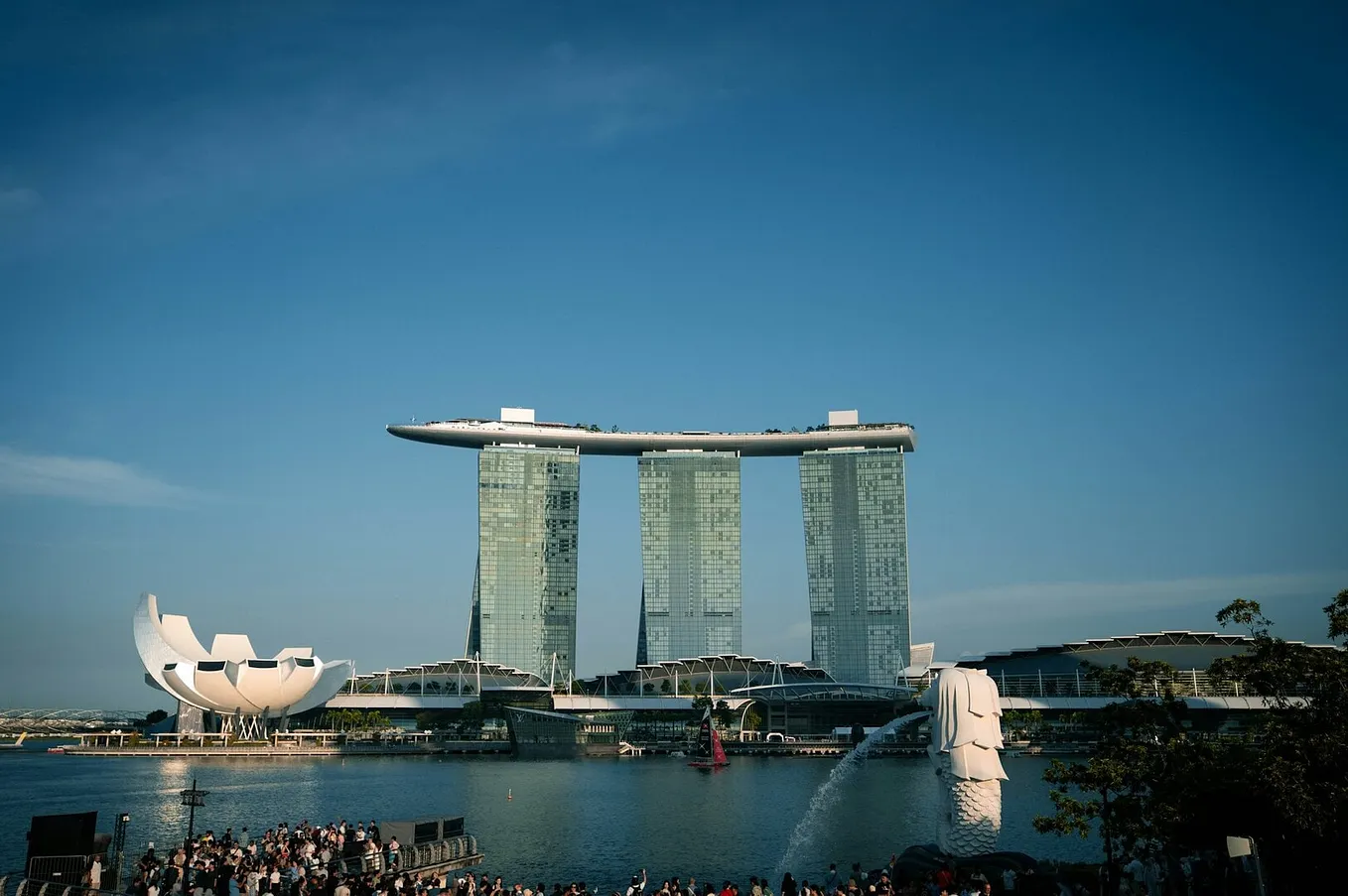
We missed our stop. We didn’t care. We let the 36 carry us all the way into the city, watching a place we thought we knew reveal itself, patiently, block by block.
The Slowness We Had to Learn
There is a particular kind of hurry that living abroad puts in you.
Everything is harder at first: the errands, the paperwork, the small daily negotiations of a life you have not yet made automatic. So you optimize. You find the fastest route, the shortest queue, the most efficient way to move through a day that already asks too much of you. You become, without meaning to, a person who is always trying to save time in a city you have not yet taken the time to see.
Get Expat life SG’s stories in your inbox
Join Medium for free to get updates from this writer.
The bus refused that logic, gently.
You cannot rush a bus. It stops where it stops. It waits when it waits. It sits in traffic on a rainy evening and there is nothing to do but look out the window at the wet neon and the umbrellas and the long red smear of brake lights ahead. For people who had spent months trying to move through Singapore as quickly as possible, this enforced slowness felt, at first, like a small defeat.
Then it began to feel like relief.
We started choosing the bus on purpose. Not for speed, it was rarely faster, but for the window. We learned the routes the way you learn a song, by riding them again and again until the sequence of neighborhoods became familiar, until we could feel where we were without checking the app.
We had been trying to conquer the city. The bus taught us to accompany it instead.
Somewhere in that slowness, we stopped being commuters and started being residents.
The Neighborhoods the Trains Forgot
The deeper truth is that the bus took us to a different Singapore altogether.
The MRT connects the island’s great hubs: the malls, the offices, the interchanges glittering with retail. It is the Singapore that announces itself, polished and legible and easy. But the bus threaded through the Singapore in between: the older estates, the quiet stretches of shophouse, the markets and kopitiams that no train would ever surface beside.
We found ourselves getting off in places we had no reason to be.
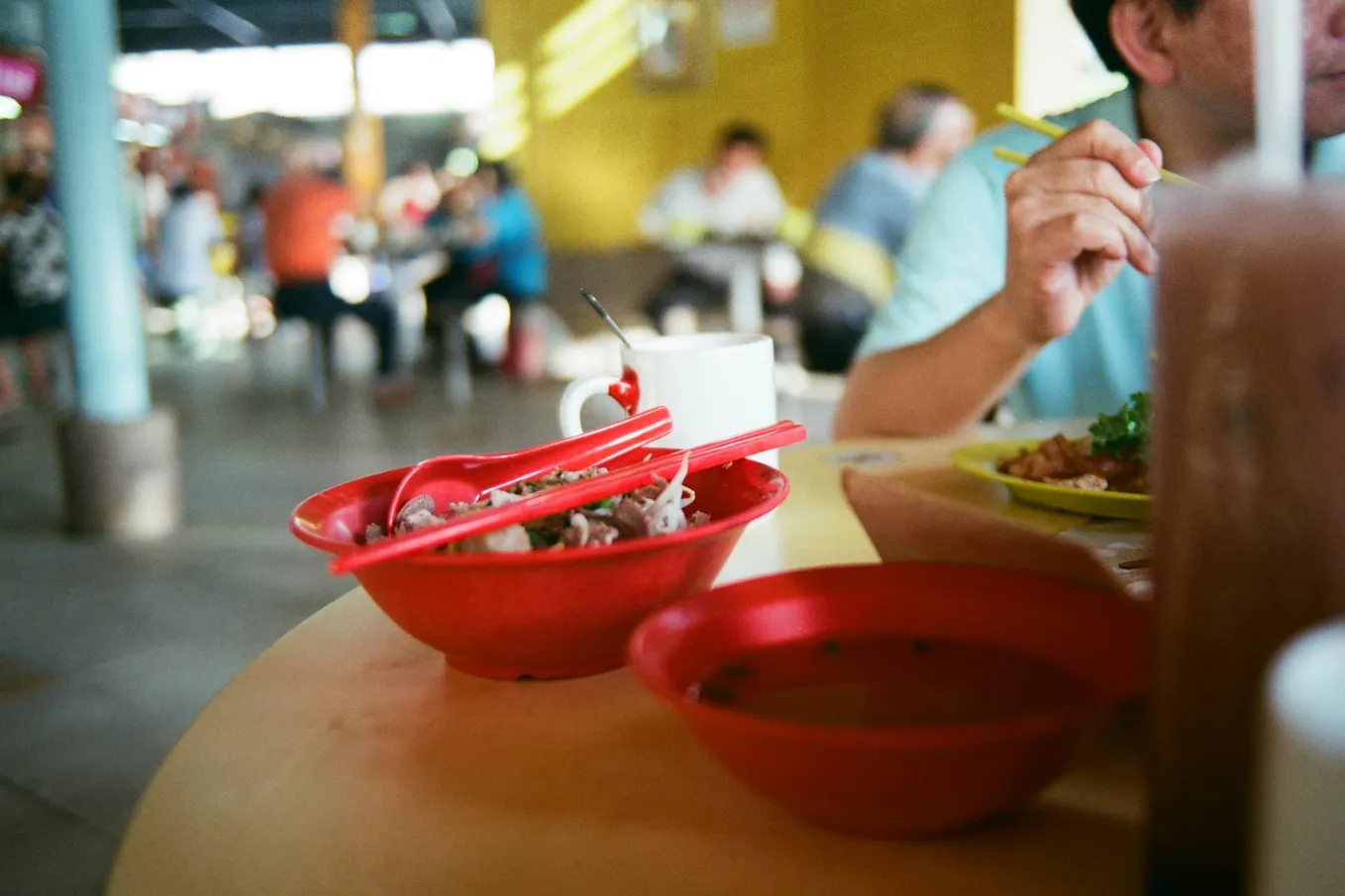
A row of Peranakan houses in Joo Chiat, their tiles the colour of faded sweets. A coffeeshop in an old estate where the kopi came in a cup thick as a fist and the uncle didn’t look up as he made it. A wet market in the morning, loud and slick and alive, where we bought vegetables we couldn’t name from a stallholder who told us how to cook them anyway, in a mix of dialect and gesture we half understood.
None of these places wanted to be found. They were not performing for anyone. They simply existed, held together by the regulars who came back day after day, kept alive by routine rather than reputation.
And the bus was full of those regulars. That was the other thing. On the train, everyone is a stranger passing through. On the bus, especially the neighborhood routes, there was a kind of familiarity, the driver who knew which elderly passenger needed an extra moment, the schoolkids who boarded at the same stop each afternoon, the quiet nods between people who rode the same route often enough to recognize each other.
We had been looking for the real Singapore in guidebooks. It had been riding the bus beside us all along.
We were still outsiders on those buses. We knew that. But there is a particular tenderness in being an outsider who is finally in the right room, sitting among people living their ordinary day, carried through their ordinary streets, close enough to feel the shape of a life that was not ours but that we were, slowly, learning to live near.
For another reflection on belonging through rhythm, routine, and quiet cues, our piece on finding your step in Singapore’s worklife makes a thoughtful companion read.

What We Carry Now
We still take the train. Of course we do. When we are late, when it rains too hard, when the day has already asked too much, the MRT is there, fast and cool and merciful.
But something changed after that accidental 36, and it never quite changed back.
Now, when we have time, we choose the window. We climb to the top deck and take the front seat if it’s free, the way a child would, and we watch the island move past: the shophouses, the void decks, the markets, the small unremarkable business of everyone else’s afternoon. We have our routes now, the ones we ride not to get anywhere but to remember where we are.
We know the stretch where the road opens to the sea. We know the turn where the old estate gives way to the glass towers, one Singapore folding into another in the space of a single stop. We know the coffeeshop worth getting off for, and the market worth waking early for, and the long slow route home that we take, sometimes, simply because we are not ready for the day to end.
We came to Singapore and learned it fast. It took us far longer to learn it slow.
We do not know how long we will stay in this part of the world. We never do. The lease will lapse, the posting may end, and one day these routes will live only in memory: the wet windscreen, the front seat, the city unrolling block by block beneath a grey afternoon sky.
But for now, when we have an hour and nowhere urgent to be, we still do the same thing.
We let the train go. We wait for the bus. We climb to the top, take the seat at the front, and watch the city we almost never saw carry on being itself, patiently, all the way home.