Syncing Our Steps: Belonging and the Unwritten Music of Singapore Worklife

The morning commute leaves us damp with the heavy, tropical heat of the city. We step off the sweltering pavement and push through the heavy glass doors of the office tower, immediately met by a wall of crisp, clinical air-conditioning. We tap our security passes at the turnstile, a soft, high-pitched beep that signals our entry into the day. The elevator ride is silent, and as we walk onto the trading floor or into the open-plan marketing suite, the only sounds are the rapid clatter of keyboards and the hushed, polite tones of morning greetings. In these quiet, structured moments, we realize that moving to a new country requires new ways of moving through a room.
Instead of a sudden transformation, we quickly learn that true adaptation is a slow process, a patient tuning into a new frequency. We came here expecting our professional experience to seamlessly translate, but we are slowly learning that working as an expat means learning to read the spaces between the lines. The local office culture becomes a quiet teacher, offering a perfect metaphor for how we navigate our new lives in Singapore.
The Cadence of the Room
Our first few months here were defined by a strange friction. We viewed the structured hierarchy and polite indirectness of our new colleagues as barriers to efficiency. We brought our Western habits of speaking loudly in meetings, challenging ideas openly, and expecting immediate, blunt feedback. We treated the workplace like a machine that simply needed to be driven faster, and we were surprised when it pushed back.
Get Expat life SG’s stories in your inbox
Join Medium for free to get updates from this writer.
But soon, we noticed how the office actually breathes. We stopped fighting the silence and started listening to the nuances of what was left unsaid. We learned that a hesitant “Let me think about it” often means no, and that giving someone the space to save face is far more valuable than winning a trivial argument. We realized that adjusting to a new culture requires us to change our professional rhythm first. We cannot force our old habits onto a new team. We have to let the collective set the pace.
The Unspoken Language of Harmony
To work in Singapore is to participate in a delicate daily choreography. The environment prizes operational excellence, yet it is deeply rooted in an unspoken desire for harmony. In these shared spaces; meeting rooms, pantries, corridors; our Singapore story is shaped in small, collective moments. We see it in the way junior staff defer to senior managers, and in the careful, measured way feedback is delivered behind closed doors rather than across a crowded conference table.
At first, this careful navigation felt exhausting. We worried about making missteps, over-analyzing every email sign-off and meeting agenda. Then, we simply started observing. We paid attention to the soft nods of agreement and the gentle phrasing used to suggest alternatives. Adaptation is not about erasing who we were, but learning to soften our edges to fit a new space. By embracing this quieter approach, we signaled to our peers that we respected their ecosystem. True integration happens in the quiet spaces between spoken words.
The Diplomacy of the Pantry
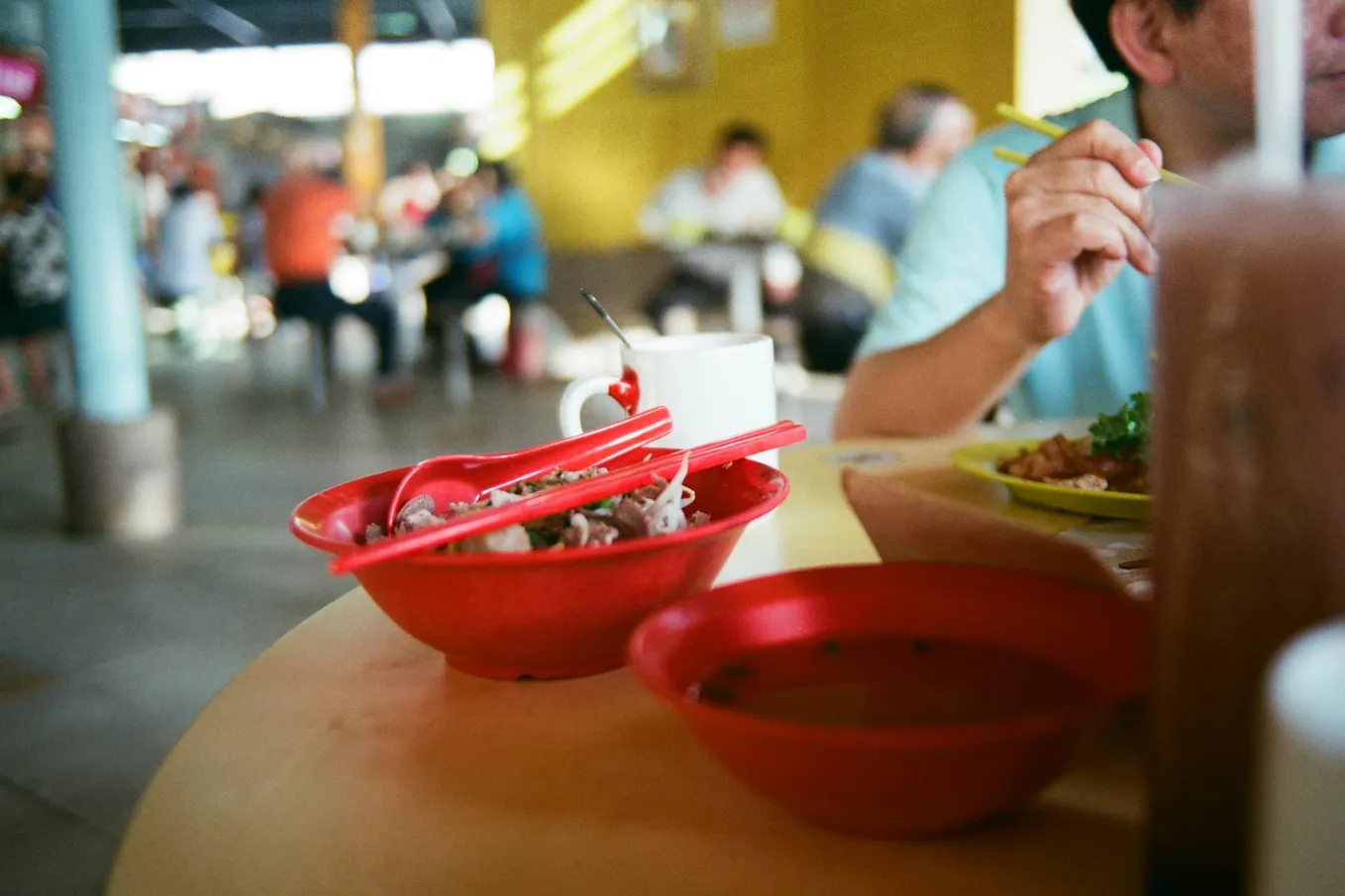
In a corporate culture driven by efficiency, the most profound connections often happen away from the desks. At 12:30 PM, the office empties out, and the daily ritual of the team lunch begins. We gather in the pantry or walk to the nearby hawker centre, blending our packed sandwiches with pungent curries and steaming bowls of noodles.
Some days, the comfort reminds us of the soup curry we once tried in Japan; warm, grounding, and quietly restorative.
We learn quickly that declining a lunch invitation to eat a sad salad at our desk is a missed opportunity for connection. We sit with colleagues we barely know, sharing tissue packets to reserve seats and exchanging tips on the best places to buy groceries. A shared meal at the pantry can be its own quiet form of diplomacy. We listen to the comfortable blending of English, Mandarin, and Singlish. We do not need to understand every cultural reference to feel the warmth of being included in the group.
The Things We Carry Forward
Eventually, the friction of the early days fades into a comfortable routine. We no longer feel the need to fill every silence in a meeting. We know exactly how to phrase a request so it sounds like a collaboration rather than a demand. We find ourselves naturally using a polite “can” or “lah” to soften a sentence without feeling like an imposter.
We look around and realize that this structured, polite, intensely driven environment has quietly become ordinary to us. Belonging is found in the daily tasks we learn to accomplish together, simply by showing up and moving in sync with the team.
We do not know where our careers will eventually take us. We do not know what the next chapter holds. But as we pack our bags at the end of the day, listening to the soft hum of the servers and the friendly goodbyes echoing down the hall, we know that this place has already left its mark on us. Belonging in a new culture often begins the moment we stop trying to change its rhythm and let it guide our own. We carry the cadence of this island in our work now, and that is a lesson the distance can never take away.