The Fake Negotiations

Live from Ukraine
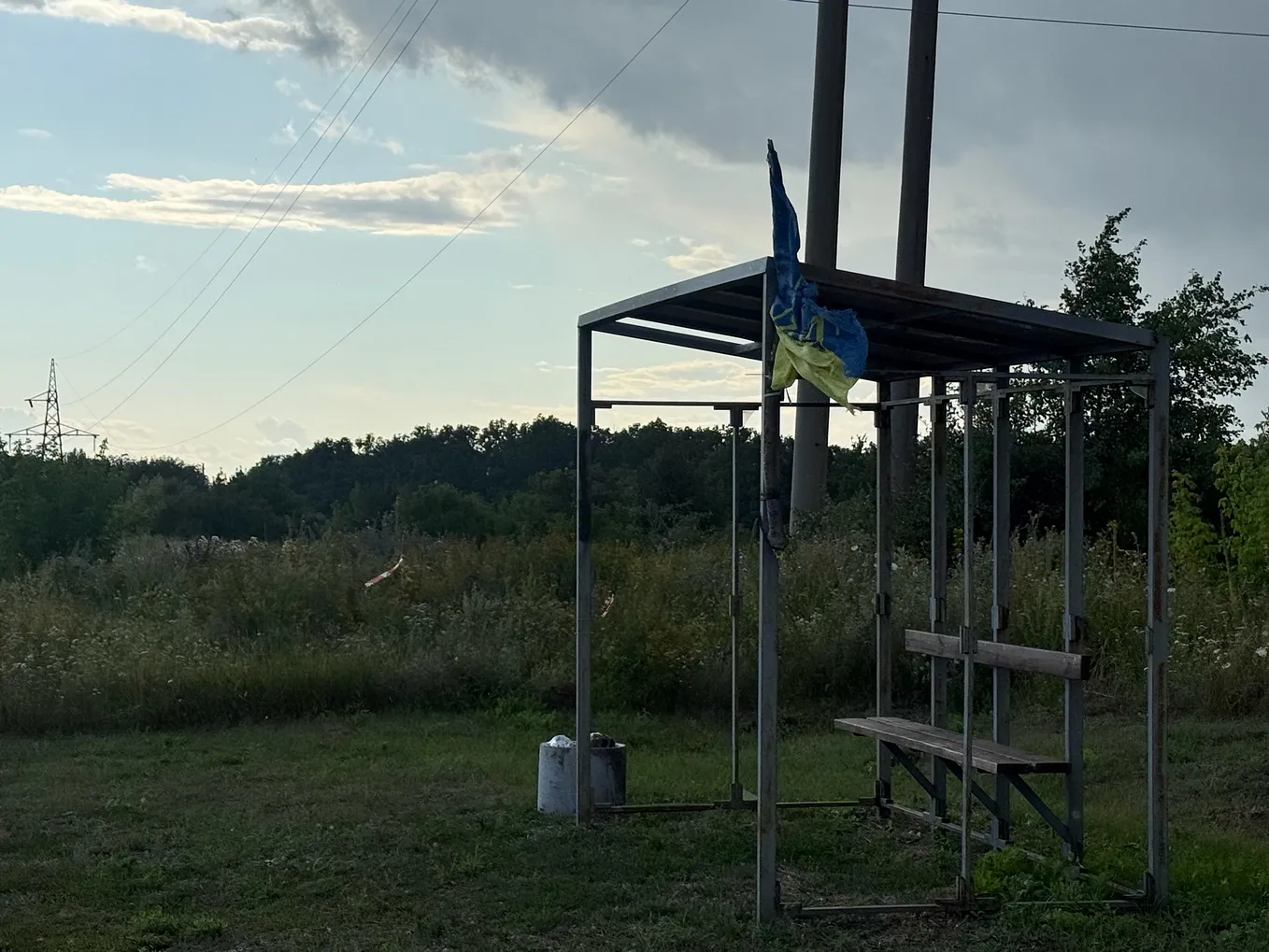
Yunakivka – The Ukrainian penetration into Russia through the areas from which I write has recently sparked a debate on the possible motivations for this choice and its potential developments, leading many commentators to draw bizarre and sometimes even picturesque conclusions.
If in a recent dispatch from the front I provided at least ten good reasons to explain the Ukrainian offensive, today I find it appropriate to explain – always from the front lines – why the ‘conspiracy’ theory that hit the headlines on the pages of «The Washington Post» (and promptly relaunched by a fair number of Italian media) is not plausible.
In short, based on ‘reliable but anonymous sources’, some colleagues claimed that negotiations were underway to bring together a Ukrainian and a Russian delegation in Doha to discuss a ceasefire linked only to the energy installations of both countries: 80% of the Ukrainian thermoelectric infrastructure is currently down, while the oil storage and refining capacity of Russians been compromised in almost opposite proportions.
This disproportion should immediately lead to the understanding that the only possible Russian goal in that context could have been the exploitation of that first fragile agreement to prelude a progressive freezing of the line in front of the current one, then hoping for the possible success of Trump in the presidential elections in America or for Biden’s intention to close his cycle by promoting a ‘ceasefire’ in Donbas as in Gaza.
Although both Kyiv and Moscow have slammed the story’s interpretation of the facts, branding it as «fanciful» and denying the existence of negotiations in this sense, I believe that once again the field speaks clearly.

The morale of the troops and civilians has had the expected surge, Kyiv’s partners are gradually becoming aware of the inconsistency of the ‘red lines’ drawn by Putin, Zelensky certainly has greater negotiating power than before, a part of the Russian contingent (the 810th Brigade) has been moved to Kursk, loosening its grip on a southern front that Ukraine continues to have in its sights to liberate those territories from occupation, possibly aiming for Crimea, Putin’s internal consensus has been dented (one in four Russians recognizes the ‘special military operation’ as a failure), the Russian general staff has felt the blow and is now under pressure, while the free world has jointly legitimized the Ukrainian incursion.
To better understand the crux of the matter, however, it is not enough to tour the Sumy oblast’ today; you need to have lived it before. At least six months ago, when Alla Perdei and I were the first of all to raise the alarm on these pages about a possible Russian invasion of these territories and those of the neighboring Kharkiv region after having warned of the strong presence of Russian ДРГ (raiders and saboteurs) so much so that we ourselves miraculously escaped an attack.
Get Giorgio Provinciali’s stories in your inbox
Join Medium for free to get updates from this writer.
Yunakivka, Khotin, Kindrativka and all the other cities from which we have recently written should have been seen before, in unsuspecting times, in order to be able to compare their conditions with those of today.
If the Ukrainian general staff had not agreed to take this important preventive step, they would have met the same fate as Vovchansk, chewed up and then swallowed up in the so-called grey zone, a no man’s land subjected to such a hail of artillery that it becomes indefensible.
Yesterday, I wrote that the Russians launch Kab missiles against these villages every half hour or so. Comparing the damage caused by those devices with that we could detect in Vovchansk and Kharkiv, however, it is clear that the distance from which they have to fire today forces the Russians to launch much lighter and, therefore, less lethal gliding bombs land here.

On the YouTube channel of this newspaper, you can see a video in which Alla Perdei and I show a crater that is almost 130 meters in diameter caused by a 500 kg Kab. Comparing it with those of just 10–15 meters that we have filmed in these hours in Kindrativka, Yunakivka, and Khotin, it is easy to understand that these attacks are frequent but of lesser magnitude than those suffered on the Kharkiv side and that the damage caused is incomparable to that caused by the artillery that we recorded months ago. The fact that all this would also be avoidable if the allies untied Kyiv’s hands, allowing it to strike enemy threats on Russian territory, makes the issue even more blatantly evident.
Although the megaphones of Putinism continue to rack their brains supporting conspiracy theories and the ineffectiveness of the Ukrainian incursion into Russia toward easing tension on the Eastern front, it is clear that the creation of the buffer zone on Russian soil is already changing the course of this war.

If you like this article and want to share it, here’s a ‘friend link’: