10 Best Protein-Rich Foods for Vegetarians


Protein is basically used to repair and build tissues in the body. Most of the vegetarians will be a little confused as to how they can fulfill their daily protein requirements. Don't worry; there are a lot of plant-based options that provide a high amount of protein. Here, we will learn about the top ten best protein-rich foods for vegetarians to maintain a healthy and balanced diet.
1. Lentils
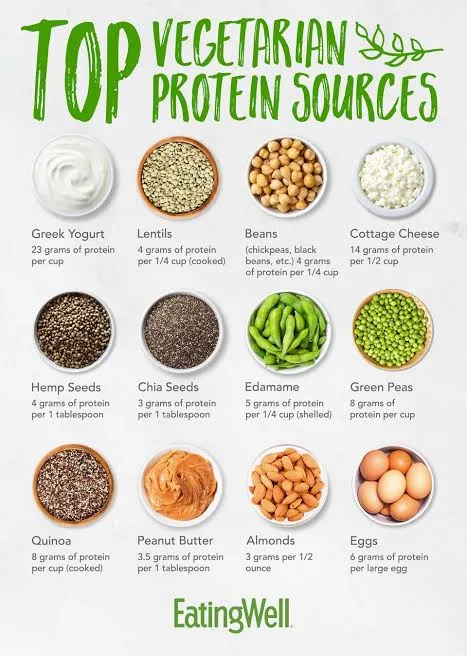
One of the most versatile and nutritious legumes is lentils. This means that packed with protein you could get some 18 grams per cooked cup. It also contains essential amino acids, fiber, and iron. You may use it in soups, salads, or as a base for a huge number of different dishes.
Why Lentils?
Lentils are inexpensive and not hard to prepare. There's also a variation like red, green, and black that has different textures and tastes. Furthermore, it is easy to replace meat with lentils in many recipes.
FAQs:
Are lentils a complete protein? Not unless they are complemented with grains, such as rice.
2. Chickpeas
Chickpeas or garbanzo beans: a staple in any vegetarian diet, contain about 14.5 grams of protein per cooked cup, and are rich in fiber and iron. Add to salads, stews, or make hummus.
Why Chickpeas?
Chickpeas are just so versatile. Roast them for a crunchy snack, or blend them into creamy dips. They're also awesome for heart health because of the presence of so much fiber.
FAQs:
Yes, chickpeas could be eaten raw, but it is better to cook or roast them before consuming them.
3. Quinoa
Quinoa is termed among the "superfoods" since it is an enormous source of nutrients. It typically contains about 8 grams of protein per cup cooked, besides providing all nine essential amino acids that make it a complete protein. Beyond this, quinoa also happens to be gluten-free and very rich in magnesium, iron, and fiber.
Why Quinoa?
Quinoa is very easy to prepare and may be served over a variety of bowls or even as a side dish. It also happens to be one of the staples among vegetarians in finding complete proteins.
FAQs:
Is quinoa better than rice for protein? - Yes. Quinoa has more protein and vital nutrients than does rice.
4. Tofu
Originating from soybeans, it is probably one of the best protein-reaping food sources for vegetarians; you can get around 10 grams from half a cup. Tofu is also highly calcified and iron-rich, so great for your bones.
Why Tofu?
Tofu is a very versatile food product that absorbs flavors extremely well; you can simply stir-fry it, grill it, or even blend it into your favorite smoothie. Tofu is more than just a meat substitute for many recipes-in a nutshell.
Tofu: YES, but in a very mild form as compared to other soy-based products.
5. Greek Yogurt
Greek yogurt has a high protein content, with approximately 10 grams per 100-gram serving. Greek yogurt is thicker and creamier than yogurt because the straining process takes away whey, thus making it even more protein-dense.
Why Greek Yogurt?
Greek yogurt is also perfect as a breakfast or snack. You can put fruits, nuts, and even honey on it. Greek yogurt is also packed with probiotics that ensure good gut health.
FAQs:
Is Greek yogurt lactose-free? No; some brands do offer a lactose-free version, however.
6. Edamame
Get Bilal’s stories in your inbox
Join Medium for free to get updates from this writer.
Edamame are young, green soybeans and an excellent source of protein. A cup of cooked edamame contains about 18 grams of protein. Edamame is also rich in fiber, antioxidants, and vitamins.
Why Edamame?
Edamame can be taken at any time of the day: as a snack or added to salads and stir-fries. They are gluten-free and low in calories.
FAQs
Is edamame the same as soybeans? Yes, edamame is simply young soybeans that are harvested before they get fully ripe.
These are very small but rich in nutrition; two tablespoons have about 4 grams of protein. They contain omega-3 fatty acids, fiber, and antioxidants.
Why Chia Seeds?
You can add chia seeds to smoothies, yogurt, or oatmeal. They also make a gel-like consistency when soaked in water, which is excellent for puddings or egg substitutes in baking.
FAQs:
Must chia seeds be soaked before consumption? No, but soaking makes them easier to digest.
Black Beans
Black beans are another great source of protein-detecting around 15 grams per cooked cup. They are also high in fiber, helping with digestion and keeping you full for longer.
Why Black Beans?
You may include black beans in soups, burritos, salads, and many other dishes. You can mash them up to form patties, making a great vegetarian burger - substitute meat.
FAQs
Are canned black beans healthier than dried ones? Yes, but rinse canned beans to cut down on sodium intake.
9. Almonds
Almonds are full of healthy fats as well as a decent amount of protein. 6 grams of protein can be obtained from 28 gram almonds. Other nutrient-dense vitamins E and magnesium as well as fiber are present in it.
Why Almonds?
Almonds are excellent to keep as a snack or else added to salads, yogurt, or smoothies. Almond butter is also a tasty spread to replace peanut butter.
FAQs:
Are raw almonds safe to eat? Absolutely, yes, and raw nuts are as good for you as you can get.
10. Hemp Seeds
Hemp seeds are a complete source of protein, offering about 10 grams of protein per 2 tablespoons, and abundant in healthy fats, which include omega-3 and omega-6 fatty acids.
Why Hemp Seeds?
Hemp seeds have a nutty flavor, and people can sprinkle them on salads or even oatmeal and blend them into their smoothies. They also digest easily, thus making a big addition to the vegetarian diet.
FAQs
Are hemp seeds legal? Yes, hemp seeds are legal as they do not contain THC, which is the psychoactive compound found in marijuana.
Getting enough protein as a vegetarian is easier than most people would think. These ten protein-rich foods are not just great nutritionally, but versatile and easy to incorporate into your daily meals. Whether you're cooking a hearty stew or preparing a salad, these options can get you the protein for the day.
Vegetarianism can definitely be healthy and great to transition into or maintain if you include a wide array of protein sources.
---
Recap of FAQs
Which protein source is ideal for vegetarians? Lentils, chickpeas, tofu, and quinoa are some of the ideal sources.
Do vegetarians get complete proteins? Yes, by combining different food sources.
This much quantity of protein should be consumed by a vegetarian daily: A woman should take around 46 grams and a man about 56 grams, as stated by the American Health Association.
By taking up these foods, you will meet your protein requirements on more likely occasions rather than relying on meat. All these products have different nutritional values so that you remain healthy and active all through the day.