Top 15 sources of plant-based protein


A growing variety of plant-based proteins is now available for those reducing animal-based food intake. Ingredients like soy, pulses, nuts, and spirulina can create tasty, high-protein meals.
People may adopt a vegan diet for health, animal welfare, or religious reasons. In 2016, the Academy of Nutrition and Dietetics confirmed that vegan diets can meet all nutritional needs for adults, children, and even pregnant individuals.
However, getting enough protein, vitamins, and minerals can be more challenging without animal products. Vegans need to plan carefully to get enough protein, calcium, iron, and vitamin B-12.
Below is a list of top plant-based protein sources. We also explore the differences between plant and animal proteins and whether plant-based protein powders are effective.
Fifteen Best Plant-Based Proteins
Certain plant foods are excellent sources of protein and essential nutrients, often with fewer calories. Some plants, like soybeans and quinoa, are complete proteins, containing all essential amino acids. Others may lack some amino acids, so variety is key.
1. Tofu, Tempeh, and Edamame
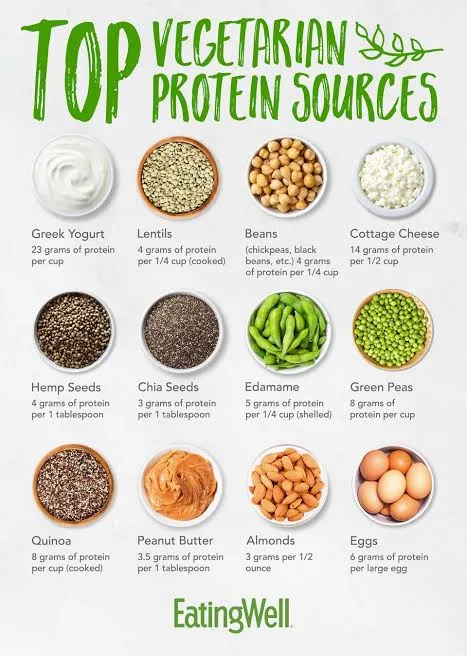
Soy products are among the best plant-based protein sources. Firm tofu offers 10 grams of protein per ½ cup. Edamame provides 8.5 grams, and tempeh contains 15 grams per ½ cup. Tofu is versatile, taking on the flavors of different dishes.
2. Lentils
Lentils are packed with protein, fiber, and nutrients like iron and potassium. Cooked lentils contain 8.84 grams of protein per ½ cup. Lentils can be added to stews, curries, salads, or rice.
3. Chickpeas
Chickpeas contain around 7.25 grams of protein per ½ cup. They can be used in stews, curries, or roasted with spices. Hummus, made from chickpeas, is a great protein-rich spread for sandwiches.
4. Peanuts
Peanuts are rich in protein and healthy fats. They provide 20.5 grams of protein per ½ cup. Peanut butter offers 3.6 grams per tablespoon, making it a simple, protein-packed snack.
5. Almonds
Almonds provide 16.5 grams of protein per ½ cup. They are also a good source of vitamin E, benefiting skin and eyes.
6. Spirulina
Spirulina, a blue-green algae, has 8 grams of protein per 2 tablespoons. It’s also rich in iron, B vitamins, and manganese. Spirulina can be added to smoothies or sprinkled on salads.
Get Bilal’s stories in your inbox
Join Medium for free to get updates from this writer.
7. Quinoa
Quinoa is a grain with 8 grams of protein per cooked cup. It is also a complete protein and offers nutrients like magnesium and iron. Quinoa can replace pasta or be used in salads and soups.
8. Mycoprotein
Mycoprotein, a fungus-based protein, contains 13 grams per ½ cup serving. It is often found in meat substitutes like “chicken” nuggets. However, some products contain egg white, so check labels carefully.
9. Chia Seeds
Chia seeds are low in calories but high in fiber and omega-3 fatty acids. They provide 2 grams of protein per tablespoon. Chia seeds can be added to smoothies or used in puddings.
10. Hemp Seeds
Hemp seeds, like chia seeds, are a complete protein source. They offer 5 grams of protein per tablespoon. Hemp seeds can be sprinkled on salads or blended into smoothies.
11. Beans with Rice
Beans and rice together provide a complete protein. This classic combination gives about 7 grams of protein per cup. It's a simple yet nourishing meal.
12. Potatoes
A large baked potato contains 8 grams of protein. Adding hummus, which offers 3 grams per 2 tablespoons, makes it a more nutritious snack.
13. Protein-Rich Vegetables
Certain vegetables, like broccoli and kale, contain protein but not enough to meet daily needs alone. A medium broccoli stalk provides 4 grams of protein. Pair these with other protein-rich foods for better results.
14. Seitan
Seitan, made from wheat gluten, offers 21 grams of protein per 1/3 cup when cooked in soy sauce. It’s a popular meat substitute but should be avoided by those with gluten sensitivities.
15. Ezekiel Bread
Ezekiel bread is made from sprouted grains and contains 4 grams of protein per slice. Adding peanut or almond butter boosts the protein content.
What About Protein Supplements?
Some plant-based protein powders are available as complete or incomplete proteins. While supplements can help meet nutritional goals, consuming a variety of protein-rich foods is a better strategy.