The Perfect Introduction

Life is like baking a soufflé. The soufflé needs to have egg whites beaten to perfection, and even the slightest egg yolk can ruin the whole dessert. Just like in our lives, a little bit of mayhem can ruin everything. Look how that caught your attention and made you want to read the rest of this article. That is how introductions should hook your readers. We are going to dive deeper into what makes up a great introduction.

The first main component of a great introduction is a captivating hook. It should be meaningful, memorable, and creative. It will not only grasp everyone’s attention, but it will also make sure everyone remembers your speech because of your quick, impactful hook that aligns with the topic you are discussing. With a good hook, people will be more focused on your speech and therefore listen thoroughly to the entirety of it, whether it’s a short 3-minute speech or a long 10-minute speech.
Get DebateLearn’s stories in your inbox
Join Medium for free to get updates from this writer.
For the hook to actually flow, it needs to be explained. For example, a hook I use a lot is: “There are so many slogans, but my favorite is definitely Nissan’s slogan — Let’s Go Places.” That’s a good hook, but you need it to actually prove your point in the explanation. From here, you could say, “That’s exactly what this legislation is doing — taking us places.” The only way a hook goes from a good hook to a great hook is through the explanation behind it.
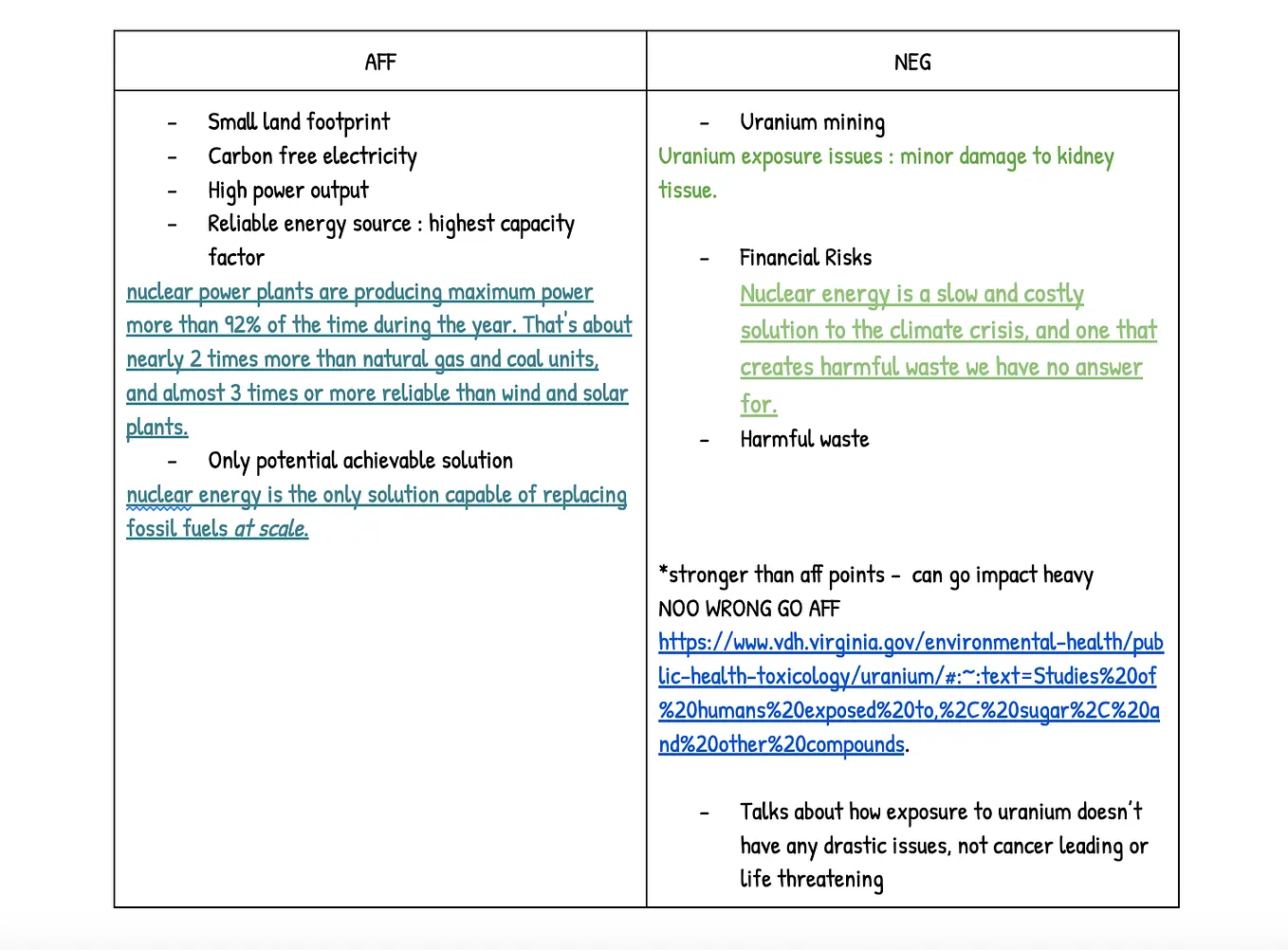
Explaining your hook and connecting it to your legislation are two completely different things. For example, if we use the same hook and explanation as we already have, we would then need to connect it to legislation. Pretend the legislation is telling us to switch to nuclear energy and you are on the affirmation. You would have to follow your explanation with a sentence like: “This slogan perfectly depicts what the addition of nuclear energy would do for the United States. It is beneficial and will help us drastically decrease carbon emissions.” In this explanation, you can hint at your position or arguments, but don’t state them outright.
Next, you are going to state your reasons and the side you take on this argument. You should always say, “I stand on the firmest affirmation (or negation).” Your reasons need to be brief and to the point — don’t explain them in the introduction. Always make sure to really emphasize your reasons so you can get your point across.
Now you have the recipe to whip up the perfect introduction!