What Is Congress?

Congress: A debate event which contains both speech and debate aspects. This event includes speeches, cross examination, and refutations.
Many of you know Congress as one of the three branches of the government, but today I am here to introduce you to Congress in debate. Congress is known to be more of a legislative simulation, so let’s dive into the basics. Your Congress debate topic will come in the form of a legislation or a resolution, also known as bills. These bills will be provided to you weeks prior to any tournaments, allotting you with an abundant amount of time to prep. An example of a bill is as follows: A Bill to Require Community Service in Public High Schools.

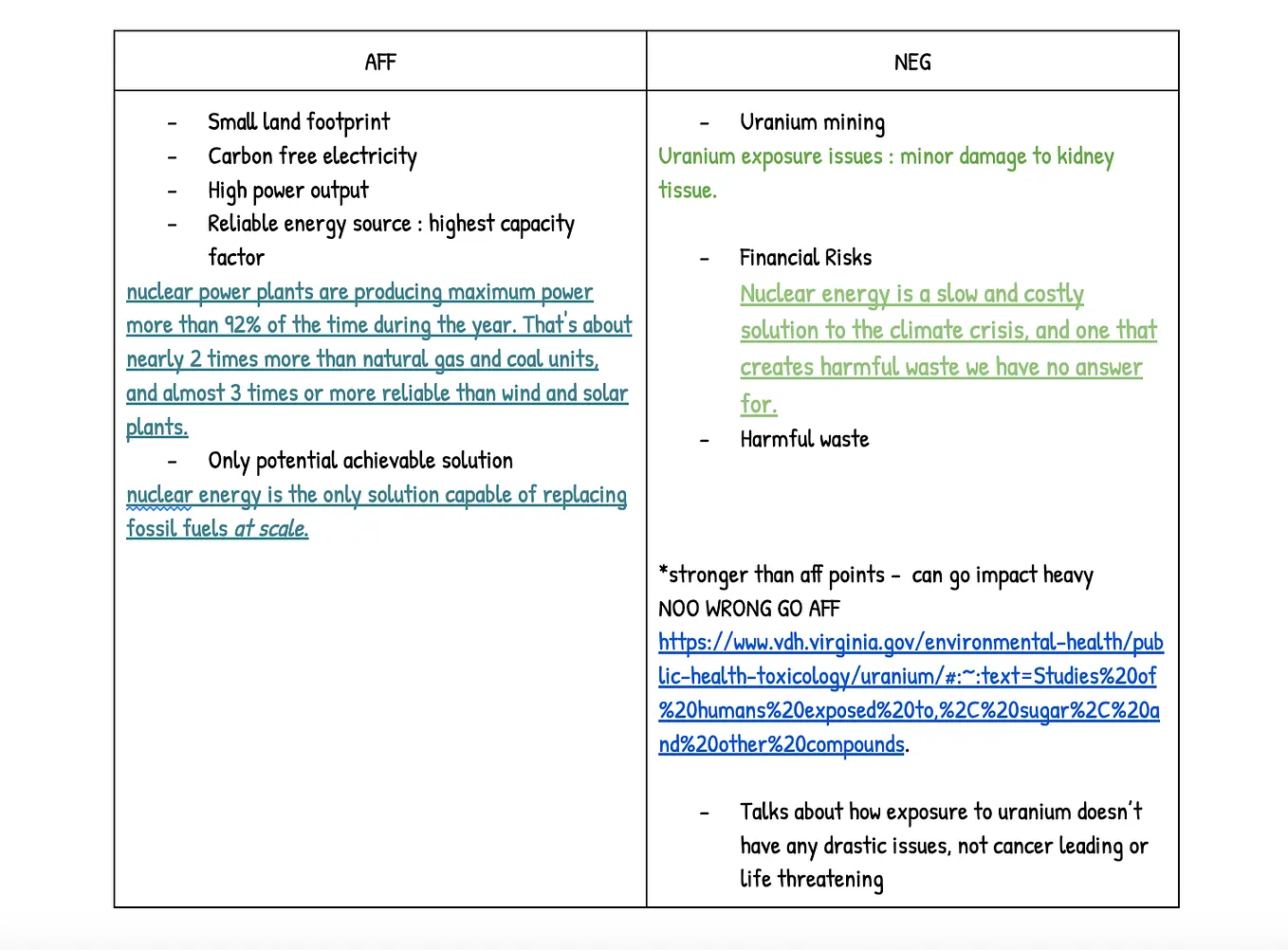
Speeches will be written supporting either the Affirmation or Negation side of the debate. The Affirmative side agrees to the topic and will explain why the bill topic is good, and the Negation side will explain why they disagree with the bill or will point out if there are any unclear areas in the bill or any unrealistic areas. For example, in a debate with a bill discussing climate change and how the United States wants to adopt renewable energy but doesn’t have a fund or any source of money, that is a point the Negation can bring out. The Negation can state, “How are we supposed to execute a bill that isn’t even realistic? The USA wants to establish renewable energy, but this legislation doesn’t even have a clear source of funding.”
Get DebateLearn’s stories in your inbox
Join Medium for free to get updates from this writer.
Every single debater will be referred to as Representative in House and Senator in Senate. House is the lower level; once you place top 5 in House, you are eligible to move up to Senate. For example, when you are in House, you will refer to someone as Representative _____. After you say Representative, you will say the person you are referring to’s last name.
Once you begin writing your speech on the bills, you must start with a memorable introduction, which will be helpful for judges to remember you because you stand out. For example, “Life is like baking a souffle. The souffle needs to have egg whites beaten to perfection, and even the slightest egg yolk can ruin the whole dessert. Just like our lives, a little bit of mayhem can ruin everything. Paid parental leave is the solution. Being able to take time off and spend time with your newborn alongside being financially stable due to paid parental leave will in turn benefit many.” After your introduction, you will explain your reasons on why you chose to support either the Affirmation or Negation side. To lead up to your points, it is recommended that you include this statement: “We as the Congress need to negate/affirm this bill (and here you should list your reasons).” In your next couple paragraphs, you will dive deeper into these reasons using your opinion and mostly facts from the internet. Always know how to find a trustworthy source to use in your speech, and using statistics in your speech will really benefit you. Your conclusion is another extremely important section to writing a great speech. In your conclusion, make sure to restate your points and what side you are on, and always make sure to connect your conclusion to your introduction. For example, “Providing paid parental leave can be just the boost many parents need in this time of their life, just like a souffle whipping your egg whites perfectly can boost the flavor and texture of your souffle.” Yet, that’s not how you are going to end your speech. In Congress, it is always best to end your speech saying, “I stand on the firmest affirmation/negation and am now open to cross examination and further points of clarification.”

Now let’s move on to the debate part of Congress. After you have given your speech, which will be around 2 minutes 30 seconds to 3 minutes long, people will have the opportunity to cross examine you, which is just fancy words for saying they can ask you questions to clarify your points or even try to stump you. There are 2 ways to cross examine: direct and indirect. In direct cross examination, you and the person asking you a question will have 30 seconds to ask a question, answer it, and go back and forth. Indirect cross examination is where the person questioning you asks a question, you answer, and that’s the end.

Congress is made up of 3 key components, so now let’s discuss the last one: refutations. Refutations are basically when you will listen to others’ speeches and pull out points you disagree with, and you can bring those points up in a speech and explain why they are wrong. This shows judges that you have a strong case and are ready to take down any argument. Congress is about creativity, having the most unique intro, having the best points, and presenting yourself in the best way.