The Most Expensive Purchase I Ever Made Wasn’t a Car or a Phone


A few years ago, I bought something that cost me thousands of dollars.
The strange part?
I never actually paid for it all at once.
There was no big transaction.
No luxury car.
No expensive vacation.
No flashy purchase that made people say, “Wow, that must have cost a fortune.”
Instead, I bought it little by little.
Day after day.
Month after month.
And I didn’t even realize it was happening.
The purchase was financial procrastination.
For years, I kept telling myself I would get serious about money later.
Later, when I earned more.
Later, when life became less busy.
Later, when I understood investing better.
Later, when I felt financially ready.
At the time, those excuses sounded reasonable.
Looking back, they were incredibly expensive.
I remember being in my early twenties and hearing people talk about saving and investing.
To be honest, it sounded like advice for someone else.
People with high salaries.
People with successful businesses.
People who already had money.
I certainly wasn’t one of those people.
My focus was survival.
Pay the bills.
Get through the month.
Hope nothing unexpected happened.
That mindset followed me for years.
Whenever the topic of investing came up, I would tell myself the same thing:
“I’ll start when I have more money.”
What I didn’t understand was that most people who become good with money don’t start because they have more.
They start because they decide to start.
The amount comes later.
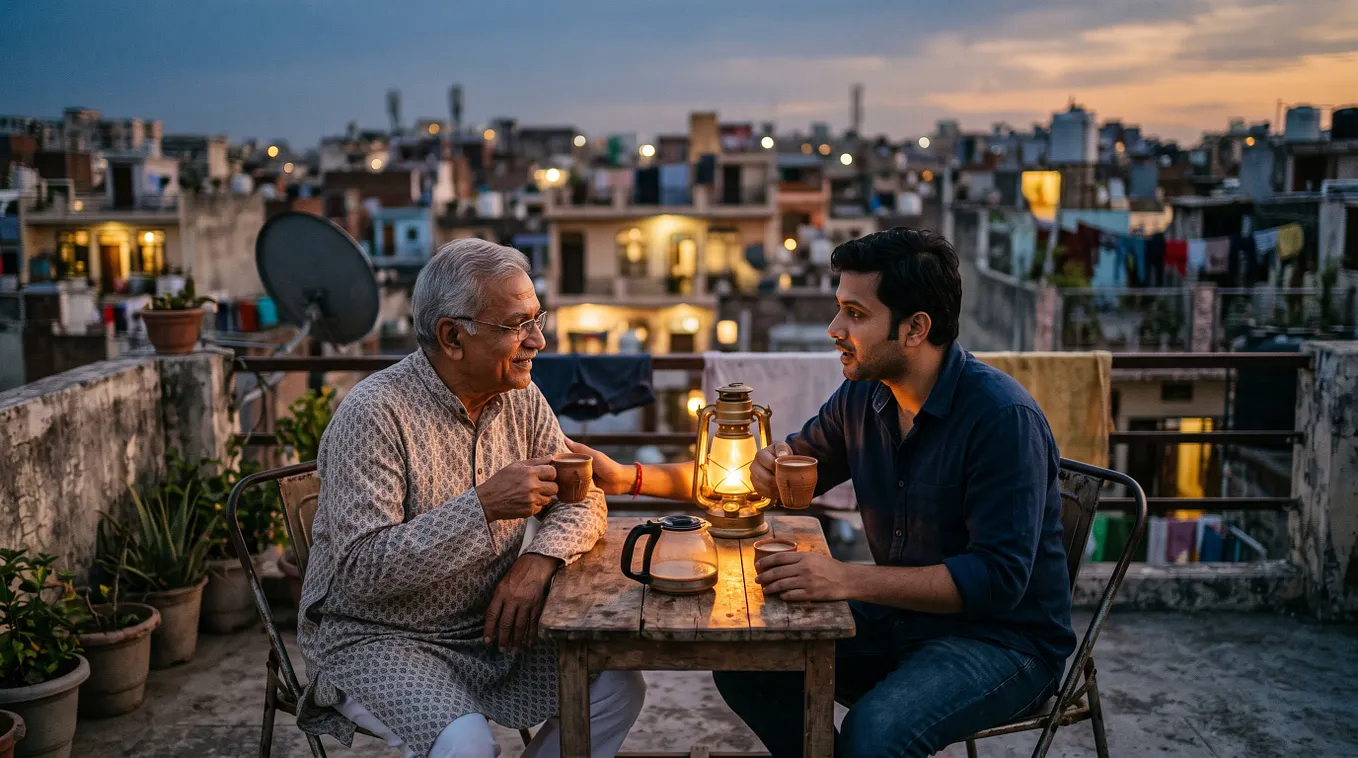
One evening, I met an older colleague for dinner.
He wasn’t flashy.
He didn’t drive an expensive car.
He rarely talked about money.
But he seemed unusually calm whenever financial topics came up.
At some point, I asked him how he had become so financially secure.
I expected a complicated answer.
Maybe a successful investment.
Maybe a business venture.
Maybe a lucky opportunity.
Instead, he laughed.
“I got bored of being broke,” he said.
That wasn’t the answer I expected.
Then he explained.
For years, he had waited for a perfect financial situation.
A higher salary.
More knowledge.
Better timing.
One day he realized none of those things were coming.
So he opened a savings account and started setting aside a small amount every month.
Not because it was easy.
Because he was tired of waiting.
The story stuck with me.
Mostly because it sounded painfully familiar.
I had been waiting too.
Waiting for confidence.
Waiting for knowledge.
Waiting for a future version of myself who would somehow become financially disciplined overnight.
The funny thing about waiting is that it feels productive.
You convince yourself you’re preparing.
Researching.
Learning.
Planning.
In reality, you’re often just standing still.
I spent years reading about personal finance.
Articles.
Books.
Videos.
Podcasts.
Get Nomi Khan’s stories in your inbox
Join Medium for free to get updates from this writer.
I knew more financial theory than ever before.
Yet my bank account looked almost exactly the same.
Knowledge wasn’t the problem.
Action was.
Around that time, I decided to do something embarrassingly simple.
I started saving a tiny percentage of every paycheck.
Nothing impressive.
Nothing life-changing.
Honestly, the amount felt too small to matter.
But I kept doing it.
Month after month.
And something unexpected happened.
The money started growing.
Slowly at first.
Almost invisibly.
Then faster than I expected.
That’s when I finally understood a lesson people had been trying to teach me for years.
Building wealth is often boring.
We imagine dramatic success stories because they’re exciting.
A startup founder becomes a millionaire.
An investor picks the perfect stock.
Someone turns a side hustle into a huge business.
Those stories exist.
But for most people, financial progress looks much less exciting.
It looks like consistency.
The same decision repeated hundreds of times.
The same habit practiced for years.
The same commitment made even when nobody is watching.
In countries like Pakistan, many young adults begin their financial journey with limited investment options compared to people in countries such as the United States, Canada, or the United Kingdom.
Some rely on savings accounts, mobile wallets like JazzCash or Easypaisa, or small business opportunities.
Others use traditional banks or local investment products.
The tools may differ.
The principle doesn’t.
Financial growth usually starts with the habit of keeping some money instead of spending all of it.
That lesson is universal.
The longer I paid attention to money, the more I noticed another pattern.
People often focus on increasing income while completely ignoring spending.
Don’t get me wrong.
Earning more is valuable.
But I’ve met people who doubled their income and somehow remained financially stressed.
Every raise created new expenses.
Every promotion created a more expensive lifestyle.
Their income grew.
Their freedom didn’t.
I understood this because I had done the same thing.
Whenever I earned more, I found new ways to spend more.
A nicer phone.
More dining out.
More convenience.
More things I convinced myself I deserved.
None of those purchases were terrible.
But together, they quietly consumed opportunities that could have helped my future self.
That’s what makes personal finance so challenging.
The consequences are rarely immediate.
When you overspend today, nothing dramatic happens tomorrow.
When you delay saving for another year, life continues normally.
The cost appears much later.
And by then, it’s easy to forget where it came from.
If I could go back and talk to my younger self, I wouldn’t tell him to become obsessed with money.
I wouldn’t tell him to stop enjoying life.
And I definitely wouldn’t tell him to save every penny.
I would simply tell him this:
Start now.
Not when you’re ready.
Not when you’re rich.
Not when life becomes easier.
Now.
Because the most expensive financial mistake isn’t usually buying the wrong thing.
It’s waiting too long to make the right decision.
The biggest financial opportunities in life often don’t disappear because we fail.
They disappear because we keep postponing them.
For years, I thought my financial problem was a lack of money.
Today, I think it was something else.
I kept waiting for the perfect time to begin.
The perfect time never arrived.
The moment I finally started was the moment everything began to change.