Build RTK on ESP32-S3(PART 8)

From Rover to Base Station: Automatic RTK Correction Switching in GeoGotar
What This Test Demonstrated
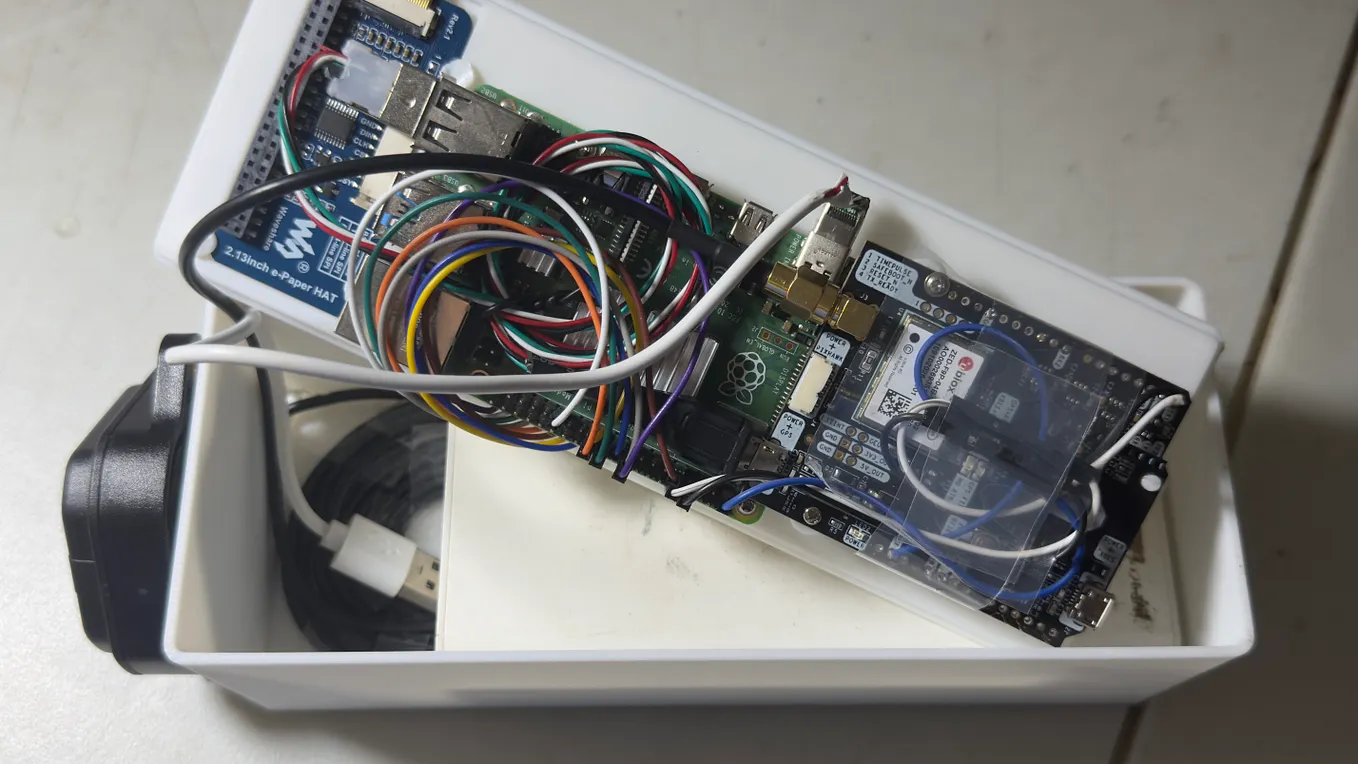
The test demonstrated the following sequence:
- Two GeoGotar trackers operated in rover mode.
- I changed one tracker to base station mode through the web interface.
- The base station began broadcasting correction data over ESP-NOW.
- The remaining rover automatically switched from NTRIP corrections to the local broadcast.
This was a functional test of role switching and correction-source selection. Measuring transition time, positioning behavior during the switch, and performance at different wireless distances would provide a more complete picture of the system.
Another useful test will be to interrupt the local correction stream and examine how the rover responds when its selected source becomes unavailable.
The Rover Switched Automatically
The most interesting part of the test was what happened on the second tracker.
Get Yatsiv Petro’s stories in your inbox
Join Medium for free to get updates from this writer.
I did not manually change its correction source. After the local base station began broadcasting, the rover automatically transitioned from consuming NTRIP corrections to consuming corrections received through ESP-NOW.
The correction path changed from:
NTRIP caster → internet connection → rover. to:
Local GeoGotar base station → ESP-NOW → rover
The second device remained a rover throughout the transition. Its role stayed the same, while the source supplying its corrections changed.
That distinction is useful: an operator can change the available infrastructure without separately reconfiguring every rover.
Building a More Flexible RTK System
This milestone brings GeoGotar closer to a system in which trackers can adapt to the correction infrastructure available around them.
The operator changes one device’s role through the web interface. That device begins supplying local corrections. The rover detects the available source and switches automatically.
Watching that sequence work with two physical trackers was a meaningful step: the role change in the interface translated into a working change in how the devices exchanged and consumed RTK correction data.