Beneath One Roof: How Shared Spaces Shape Our Singapore Story

The early morning rain taps lightly against the glass of our condo windows, blurring the sharp edges of the Singapore skyline. Inside, the apartment is already awake. We hear the soft click of the kettle boiling, the quiet hum of the washing machine, and the rhythmic sweep of a broom across the tiled floor. We step into the kitchen to find hot coffee waiting. In these quiet, ordinary mornings, we realize that moving to a new country is not just about changing our address.
Instead, we quickly learn that true adaptation is about making space for new rhythms. We came to this island expecting to manage our transition alone, but we are slowly learning that living as an expat often means opening our doors to a stranger. The decision to hire domestic help becomes a profound teacher, offering a perfect metaphor for how we navigate our new lives.
The Weight of the Transition
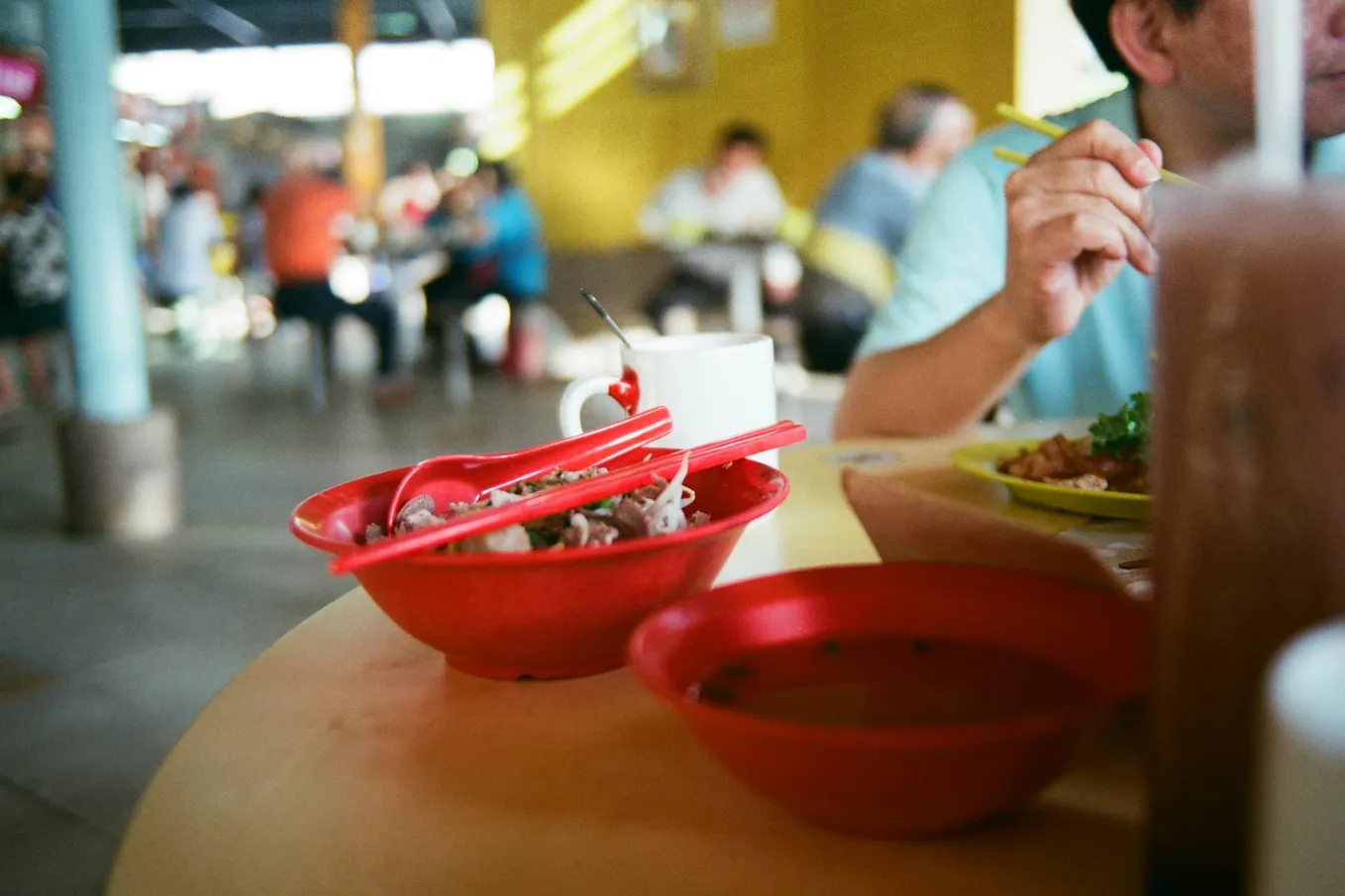
Our first few months here were defined by a strange exhaustion. We viewed the endless logistics of expat life (the unpacking, the forms, the relentless tropical humidity) as hurdles we had to clear on our own. On the hardest days, a bowl of soup curry; spiced, steaming, and generous — felt like the simplest kind of comfort. We treated our apartment as a fortress, a private retreat from the sensory overload of the city. When we first considered hiring a live-in helper, we thought of it purely as a practical transaction. We needed help with the household, nothing more.
But soon, we noticed how the energy of our home began to shift. We stopped trying to control every detail of our domestic life and started allowing someone else to take the reins. We realized that adjusting to a new culture requires us to soften our grip on how things should be done. We cannot force our old habits onto a new household. We have to let the shared space set a new pace.
The Awkward Choreography
During the first few weeks, sharing our home was a masterclass in polite hesitation. The air hummed with unspoken questions about boundaries, routines, and cultural differences. We stood awkwardly in our own kitchen, unsure of how to ask for a specific meal or how to properly explain the way we fold our clothes.
Get Expat life SG’s stories in your inbox
Join Medium for free to get updates from this writer.
At first, this sudden loss of total privacy felt isolating. We retreated to our bedrooms, unsure of how to act in the living room. Then, we simply started talking. We shared small smiles over spilled milk, exchanged stories about our respective hometowns, and learned the proper pronunciation of each other’s names.
Outside our front door, the hawker centres offered the same gentle lesson; shared tables, shared sauces, and strangers who somehow make a new city feel familiar.
Community rarely announces itself with a grand gesture; sometimes it is simply the shared silence of folding laundry on a Sunday afternoon. We learned that to truly settle into Singapore, we needed to drop our guard. Adaptation requires us to share not just our physical spaces, but our vulnerabilities.
A Different Kind of Anchor
To be an expat is to live perpetually in transit, surrounded by expiring visas and temporary contracts. We often build our social circles quickly, bonding with other newcomers over the shared vertigo of living far from our native soil. But the most consistent presence in our lives is often the person living just down the hall.
Our helper is navigating their own version of life abroad, carrying the weight of their family’s expectations miles away from home. In this shared reality, the traditional lines of employer and employee begin to blur into something deeply human. True comfort in a foreign city often begins when we allow someone else to help us carry the weight of it. We share our meals, celebrate our birthdays together, and become substitute families for one another.
The Things We Carry Forward
Eventually, the novelty of the arrangement fades into a comforting routine. We no longer feel the need to give detailed instructions. We know the exact time the aroma of frying garlic will drift down the hallway, signaling dinner. We find our shoes neatly lined up by the door, an unspoken gesture of care that greets us after a long day at the office.
We look around and realize that this unique, deeply intertwined way of living has quietly become ordinary to us. Belonging is found in the daily spaces we learn to fill together, simply by showing up for one another under the same roof.
We do not know how long our stay in this city will last. We do not know when the packing boxes will inevitably reappear. But as we sit at the dining table, listening to the quiet, domestic hum of our shared home, we know that this experience has already left its mark on us. We learn that family can sometimes mean the people who share our daily routines, and that is a kind of home the distance can never take away.