Devil's Columnist·4d agoWe’ve built technology capable of changing companies faster than companies are capable of changing…Or why the AI Economics don’t work (yet)
InChaynbyChayn·6d agoPsychological safety isn’t enough: what makes a workplace trauma-informed?Safety lives in our systems, not just in our managers
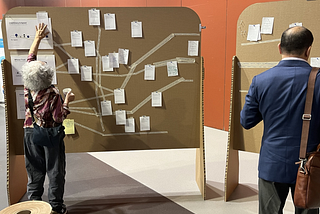
Philippe Vandenbroeck·Nov 3Learning with Teeth: Evaluation as Democratic PracticeKeynote speech delivered at the bi-annual conference of the European Evaluation Society “Evaluation for Vibrant Democracies”, Lille, 28–30…
Christian Graham·Oct 30What will your organisation become?Same AI, very different organisations. A map for choosing on purpose instead of drifting, and where I pushed back on the AI that helped me…
Amy Sincock·Oct 28The Primordial Soup Phase: the potential for new life hidden in M&A chaosAnyone who has worked through a major merger, restructure or acquisition knows these periods can be some of the most stressful environments…
Praveen Shandilya·Oct 10SAP, Salesforce, and the Emergence EngineHow Enterprise Platforms Are Changing the Rules — and Why Some Organisations Will Extract Ten Times the Value of Others from the Same…A response icon1A response icon1
Steve Jones·Oct 6AI Creates Capacity. What Kind of Organisation Will We Build With It?What the first readers of my new book are saying and the bigger leadership questions they have raised
InWriting by IFbyEsther Bretschneider·Oct 1How to de-risk your AI workflowIn my last post, we looked at how generative AI can be introduced into workflows in unhelpful ways. Assigning someone to ‘check AI’s…
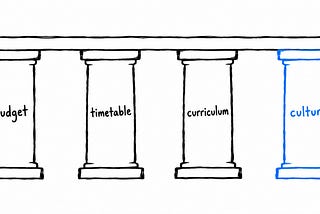
Ai Yat Goh·Sep 27Why Culture Is Not the Soft, Secondary Thing Most Institutions Assume It to Be #23Visual Thinking for Education | Post 23 of 30. (The institution)
InILLUMINATIONbyClawncore·Sep 26Why Students Spend Too Much Time Organizing Research Instead of Doing ItResearch organization is supposed to make academic work easier. Sometimes it becomes another job on top of the research itself.A response icon1A response icon1