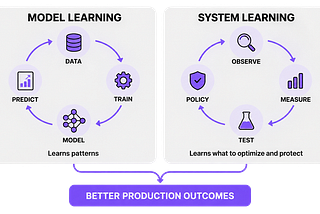
Dinghy·Sep 18Beyond Model Training: How Complex Algorithms Learn from ProductionContinuous learning does not happen only through model training.
Dinghy·Sep 3How Retained Music Beds and Scene Cuts Guide AI Dubbing TimingIn dubbed video, a sentence can outgrow the moment it was meant to occupy. The voice then trails into the next slide or shot. One way to…
Dinghy·Aug 19Dubbed pace: what we can measure, and how we keep it naturalIf a dubbed line sounds rushed or dragging, can you fail it with syllables per second or how often the loudness bounces? Not in this…
Dinghy·Aug 12From Scores to Closed Loops: Relearning Quality Control in Video DubbingQuality control sits at the heart of statistics. Long before large language models or multimodal AI made automated evaluation a practical…
Dinghy·Jul 24Where to Break a Subtitle Is Geometry, Not LanguageThe earlier posts in this series focused on alignment — how the dubbing audio matches the visuals — and on meaning — how a translation is…
Dinghy·Jul 22Translation Models Know the Language; They Just Pick the Wrong VersionWe translate everything from corporate explainers to casual vlogs, short dramas, and ads. The hard part is usually not getting a model to…
Dinghy·Mar 23Preventing Audio Collisions: Temporal Alignment in AI Video TranslationWhen people talk about AI video translation, many assume the main challenges are simply audio source separation (removing the original…
Dinghy·Mar 16How to Match the Perfect ‘Breath’ for Cross-Lingual SubtitlesIn global video distribution, a core challenge is ensuring subtitles and dubs are not only accurate in meaning but also natural in rhythm…
Dinghy·Mar 16How to Teach AI to Listen to the Silence in SpeechIn the long journey to make machines speak more like humans, we have focused on lexical accuracy, lifelike tone, and even vocal texture…